


Urgent Roof Repairs How Homeowners Should Respond

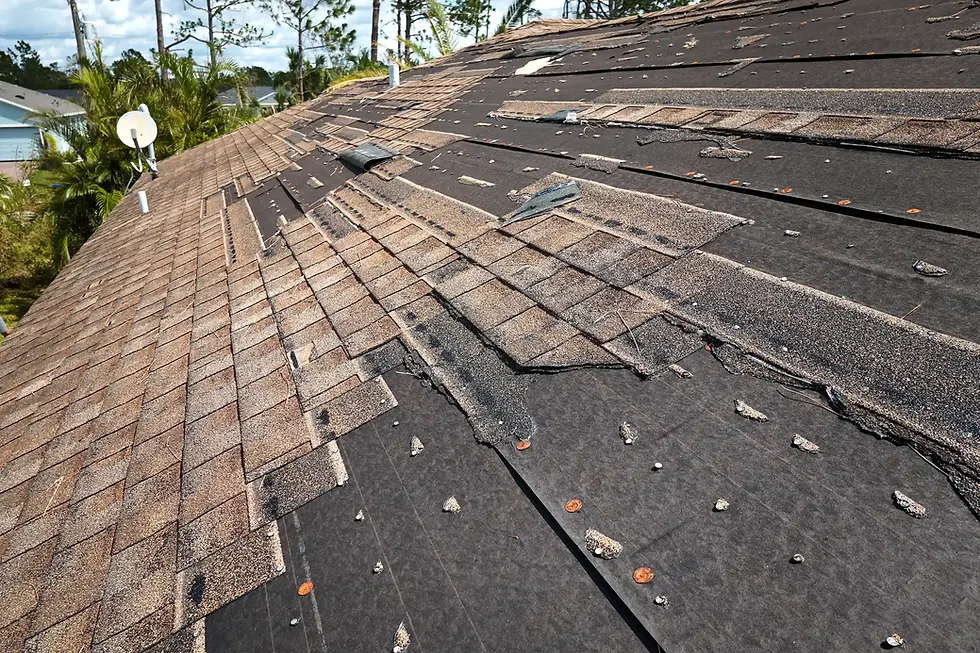
A leaking roof can quickly turn from a small inconvenience into a stressful situation that affects comfort, safety, and property value. We understand how overwhelming it feels when water starts dripping from the ceiling or shingles suddenly go missing after a storm.
Urgent roof repairs require fast but thoughtful action to prevent further damage and protect your home.
The direct answer is simple. Homeowners should focus on safety first, contain the damage, document the problem, and contact a qualified roofing professional for inspection and repair.
Acting quickly reduces structural risk, prevents mold growth, and strengthens insurance claim documentation. The steps below help homeowners stay calm and respond effectively during roofing emergencies.
What Counts as Urgent Roof Repairs?
Not every roofing issue needs immediate attention, but some problems demand same day action. Knowing the difference helps homeowners prioritize decisions and avoid unnecessary damage.
Problems that need immediate response
Active leaks inside living areas are one of the clearest warning signs and often lead to roof repair water damage if not addressed quickly.
Missing shingles that expose underlayment, flashing failures around chimneys or skylights, and tree impact damage also fall into urgent categories. Sagging roof sections may indicate structural compromise and should never be ignored.
Serious but less critical issues
Minor leaks contained in attic spaces or small areas of shingle damage may allow a short response window. However, even these situations can worsen quickly during the next rainfall and may eventually require residential roof repairs to prevent structural deterioration.
Early warning signs homeowners often miss
Growing ceiling stains, damp attic insulation, and musty odors frequently signal hidden leaks. Granules collecting in gutters or lifted flashing edges also suggest roof vulnerability and may be early signs your roof needs replacement when recurring problems continue to develop.
Urgent Roof Repairs Action Plan for Homeowners
First 10 minutes inside the home
The priority is limiting interior damage. Place buckets or containers under leaks and move valuables away from affected areas. Plastic coverings and towels can help protect furniture and flooring. Starting a photo log immediately provides valuable documentation for repairs and insurance claims.
First few hours after discovery
Take clear photos of interior stains, attic conditions if accessible, and exterior damage from ground level. Note the time the leak started and the weather conditions. This information helps roofing professionals identify root causes faster.
Same day temporary protection
Temporary mitigation may include tarping or protective coverings performed by trained professionals. Homeowners should avoid attempting rooftop fixes without proper safety equipment. Emergency protection is meant to prevent further damage, not replace permanent repair.
Next 24 to 72 hours inspection and repair planning
A thorough inspection performed by a professional roofing service should evaluate shingles, flashing, underlayment, ventilation, and structural decking. Homeowners should receive photo documentation, written repair recommendations, and realistic timelines for permanent solutions.
Within the week decision making
Repair versus replacement decisions depend on roof age, damage extent, and recurring leak history. Professional guidance helps homeowners choose cost effective long term solutions.
Short Term Fixes Versus Long Term Roofing Solutions
Temporary fixes can help reduce damage during a roofing emergency, but they should only be seen as short term solutions.
Measures like professional roof tarping or small protective sealing may slow water intrusion and protect interior spaces while waiting for full repairs. However, these fixes do not address the root cause of the problem.
Long term roofing solutions such as replacing damaged shingles, repairing flashing, or fixing compromised roof decking are necessary to restore proper protection and prevent recurring leaks.
Acting quickly on permanent repairs helps homeowners avoid repeated damage, higher repair costs, and ongoing moisture issues.
Most Common Roofing Emergencies Homeowners Face
Understanding typical roofing emergencies helps homeowners recognize problems early and respond quickly.
Wind damage: Strong winds can lift shingles, loosen flashing, and expose underlayment to water intrusion.
Ice dams: Snowmelt refreezing at roof edges may trap water beneath shingles, leading to interior leaks.
Flashing failure: Damaged flashing around chimneys, vents, or skylights is a frequent cause of hidden leaks.
Chimney leaks: Deteriorated masonry or flashing gaps around chimneys often allow water entry during storms.
Vent boot deterioration: Cracked or aged vent boots can create small but persistent leak pathways.
Skylight failure: Improper seals or aging skylight components may result in water intrusion around frames.
Valley leaks: Roof valleys collect large volumes of water, making them vulnerable to flashing wear and debris buildup.
What If You Cannot Reach a Roofer Immediately?
When a roofer is not immediately available, focus on limiting interior damage while staying safe. Place buckets under leaks, move valuables away from affected areas, and use towels or plastic coverings to protect surfaces.
If safe, check the attic for visible moisture or entry points without stepping on weak areas. Take clear photos and notes of the damage to support repair planning and insurance claims until professional help becomes available.
When Should You Call a Roofing Professional Right Away?
Some roofing situations leave little room for delay. Contacting a professional immediately helps prevent structural damage and protects household safety.
Active ceiling collapse risk: A bulging or sagging ceiling filled with water may fail without warning. Professional assessment reduces collapse risk and limits interior damage.
Structural sagging: Visible roof dips or uneven sections can indicate compromised decking or framing that requires urgent inspection.
Storm impact or debris penetration: Tree branches or debris striking the roof may create hidden structural damage and active water entry points.
Multiple leak points: Several interior leaks often signal widespread roofing failure that cannot be managed with temporary fixes alone.
Electrical hazards from water intrusion: Water near lights, outlets, or wiring creates safety risks that require professional evaluation before repairs begin.
New Jersey Weather Risks That Trigger Roof Emergencies
Homes in New Jersey face diverse weather challenges that increase roofing risk. Nor’easter winds can lift shingles and damage ridge caps. Freeze thaw cycles often loosen flashing and create hidden gaps.
Snow accumulation contributes to ice dams, while saturated soil conditions increase tree fall risk during storms.
Understanding these regional factors helps homeowners anticipate vulnerabilities and respond proactively.
Protecting Your Home With Trusted Roofing Expertise
At NJ Gold Star Construction, we understand how stressful roofing emergencies can be for homeowners. Our team provides detailed inspections, honest repair guidance, and durable solutions designed for New Jersey’s changing weather conditions.
With experience serving homeowners across Bergen County, Passaic County, Ocean County, Burlington County, Totowa, Wayne, Paterson, Cranford, Livingston, and Clifton, we focus on restoring safety, protecting property value, and delivering dependable local roofing support.
Taking action early helps prevent costly damage and ongoing leaks. If you are dealing with a roofing emergency or want peace of mind through a professional inspection, contact NJ Gold Star Construction today to schedule reliable local roof repair support for your home.
Frequently Asked Questions About Urgent Roof Repairs
How fast should I respond to a roof leak?
Homeowners should act immediately. Containing water and arranging pa rofessional inspection the same day helps prevent structural damage and mold growth.
Can I tarp my roof myself?
Temporary tarping is possible but can be risky without proper safety equipment. Professional installation is safer and typically more effective.
How long does emergency tarping last?
Emergency tarps usually provide short term protection for several days to a few weeks, depending on weather conditions and installation quality.
Can a small leak wait?
Even minor leaks can worsen quickly, especially during repeated rainfall. Prompt inspection helps prevent hidden damage.
How much damage can occur in 24 hours?
Within a day, water intrusion may lead to insulation saturation, drywall damage, mold growth risk, and structural deterioration if left unaddressed.


Comments