


Complete Guide to Roof Replacement in New Jersey

Updated: Feb 13

Roof replacement in New Jersey is not just about upgrading shingles. It is about protecting your home from harsh winters, heavy rain, strong coastal winds, and year-round temperature swings that put constant stress on roofing systems.
Because NJ homes face freeze-thaw cycles, snow loads, summer humidity, and storm damage, roofs here often wear faster than in milder climates.
For most New Jersey homeowners, knowing when roof replacement is necessary can mean the difference between a planned investment and an expensive emergency, especially when rising roof replacement cost is delayed by repeated repairs.
Replacing a roof at the right time helps prevent interior leaks, structural damage, rising energy bills, and insurance claim issues after storms.
This guide is designed specifically for roof replacement in New Jersey, not generic roofing advice.
It covers how NJ weather impacts roof lifespan, how to tell when repairs are no longer enough, what materials perform best in local conditions, and how to make smart replacement decisions that meet building standards and long-term durability needs.
What Is Roof Replacement in New Jersey?
Roof replacement in New Jersey means removing an aging or damaged roofing system and installing a new one that is built to handle local climate demands and meet state and municipal requirements.
Unlike minor repairs, a roof replacement addresses underlying issues such as worn underlayment, failing flashing, ventilation problems, and long-term water intrusion risks that often make roof repair in New Jersey a short-term solution rather than a permanent fix.
In New Jersey, roof replacement is typically recommended when:
The roof is 20–30 years old, depending on the material
Shingles are failing due to freeze-thaw damage or storm exposure
Leaks are recurring despite repeated repairs
Ice dams, moisture buildup, or poor ventilation are affecting attic spaces
Because NJ weather accelerates wear, roof replacement is often a preventive decision, not just a reaction to visible leaks. A properly installed replacement roof improves energy efficiency, increases home value, and ensures your home stays protected through every season.
Signs It’s Time for Roof Replacement in New Jersey
Roofs in New Jersey experience more stress than many homeowners realize. Between winter freeze-thaw cycles, heavy rain, snow accumulation, and summer heat, roofing materials can deteriorate faster than expected.
Recognizing early warning signs helps NJ homeowners avoid interior damage, mold growth, and costly emergency repairs that often require professional roofing services when ignored too long.
Common Warning Signs on Residential Roofs
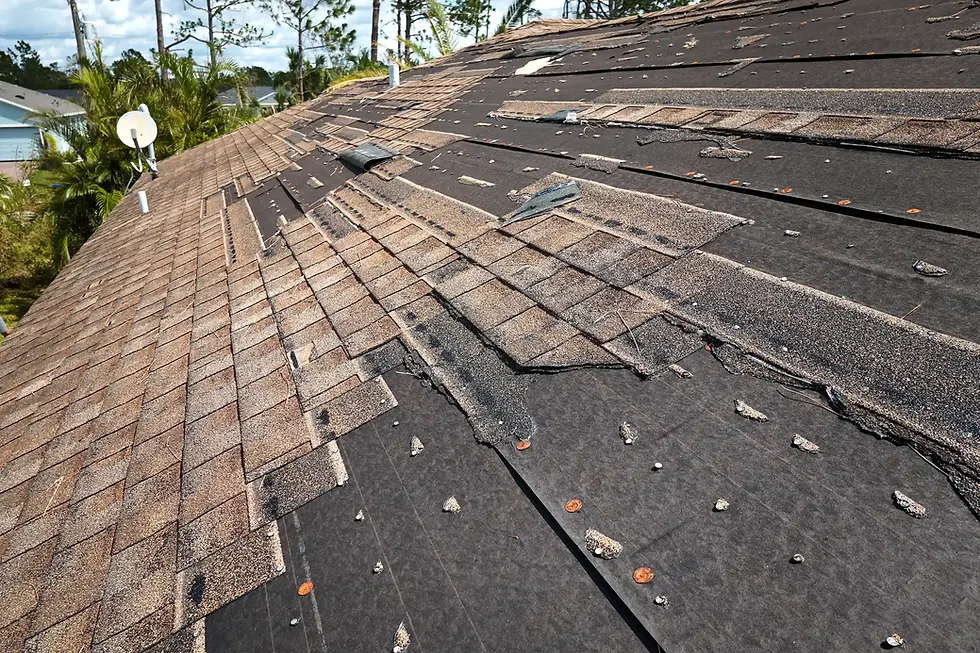
If you own a home in New Jersey, pay close attention to these signs, especially after winter or severe storms:
Curled, cracked, or missing shingles, often caused by temperature swings
Granules collecting in gutters are a sign that asphalt shingles are reaching the end of their lifespan
Water stains on ceilings or walls, which may indicate hidden leaks
Sagging rooflines, pointing to moisture damage beneath the surface
These issues often worsen quickly in NJ’s climate, where moisture intrusion can freeze and expand inside roofing layers.
Warning Signs on Commercial and Flat Roofs
Flat and low-slope roofs are common on commercial buildings and some residential additions throughout New Jersey. These systems require close monitoring due to drainage challenges.
Watch for:
Standing water or ponding after rainstorms
Cracks or bubbling in roof membranes caused by temperature fluctuations
Leaks around seams, edges, or penetrations such as vents and HVAC units
In NJ, even small flat-roof issues can escalate fast due to repeated rain and snowmelt cycles.
Material-Specific Roof Failure Signs
Different roofing materials fail in different ways, especially under New Jersey weather conditions:
Asphalt shingles: Bald spots, curling edges, or frequent blow-offs during windstorms
Metal roofing: Rust formation, loose fasteners, or seam separation due to expansion and contraction
Tile or cedar roofs: Cracked tiles, moss growth, or shifting shingles due to moisture retention
Garages and sheds: Visible daylight through boards or sagging sections caused by prolonged exposure
Professional Tip: In New Jersey, roofs that are 20 years or older should be inspected regularly, even if no leaks are visible. Aging roofs often fail first around flashing, valleys, and ventilation points, areas heavily affected by snow buildup and rain runoff.
Comparing Roof Types for New Jersey Homes
Choosing the right roofing material is one of the most important decisions in roof replacement in New Jersey. NJ homes face snow loads, ice dams, strong winds, heavy rain, and summer heat, so materials must handle both moisture and temperature changes without premature failure.
Below is a breakdown of the most common roofing options used across New Jersey, along with how they perform in local conditions.
Asphalt Shingle Roofing
Asphalt shingles remain the most popular roofing material for New Jersey homes.
Affordable and widely available
Performs well in mixed NJ climates
Available in architectural and dimensional styles
Works well for most residential structures
Best for: Homeowners looking for cost-effective roof replacement with proven performance
Typical lifespan in NJ: 20–30 years
Metal Roofing
Metal roofing has gained popularity in New Jersey due to its durability and energy efficiency.
Excellent snow-shedding properties
Resistant to wind, fire, and moisture
Reflects heat during hot summers
Minimal maintenance compared to other materials
Best for: Long-term investment and homes exposed to heavy snow or coastal winds
Typical lifespan in NJ: 40–70 years
Tile Roofing (Clay or Concrete)
Tile roofing is commonly seen on higher-end homes and properties designed for longevity.
Extremely durable and fire-resistant
Handles moisture well when installed properly
Heavy material that may require structural reinforcement
Best for: Homes built to support heavier roofing systems
Typical lifespan in NJ: 50–100 years
Cedar and Wood Shingles
Cedar shingles offer a natural, timeless look but require more upkeep in New Jersey’s humid climate.
Attractive appearance
Natural insulation properties
Requires regular maintenance to prevent rot and insect damage
Best for: Homeowners committed to ongoing maintenance
Typical lifespan in NJ: 25–30 years with proper care
Flat Roofing Systems
Flat roofs are common on commercial buildings and residential additions across New Jersey.
Materials include EPDM, TPO, and modified bitumen
Proper drainage and installation are critical
Regular inspections prevent leaks and membrane failure
Best for: Commercial properties and modern residential designs
Typical lifespan in NJ: 20–30 years depending on material and maintenance
Professional tip: When selecting roofing materials, always consider snow load capacity, ventilation requirements, and resistance to moisture, as these factors significantly affect performance in New Jersey’s climate.
Roof Replacement vs. Repairs in New Jersey
One of the most common questions homeowners ask is whether roof replacement or repair makes more sense. In New Jersey, weather conditions and roof age play a major role in this decision, especially when certain types of roof damage affect more than just the surface materials.
When Roof Repairs Make Sense in NJ
Roof repairs are often the right choice when:
The roof is under 15 years old
Damage is localized, such as a few missing shingles
Leaks are recent and traceable
Storm damage did not compromise the underlying layers
In New Jersey, timely repairs after wind or hail events can extend roof life and prevent water intrusion.
When Roof Replacement Is the Smarter Option
Roof replacement in New Jersey is usually recommended when:
The roof is approaching or past its expected lifespan
Repairs are needed multiple times per year
Ice dams, ventilation issues, or widespread leaks persist
Shingles or membranes show systemic failure, not isolated damage
Because New Jersey experiences repeated freeze-thaw cycles, small problems often grow quickly. Replacing the roof before major failure helps avoid interior damage and insurance complications.
Rule of Thumb: If your New Jersey home requires roof repairs more than once or twice a year, or if repair costs exceed 30–40% of replacement cost, a full roof replacement is usually the more cost-effective and reliable solution.
Frequently Asked Questions About Roof Replacement in New Jersey
Do I need a permit for roof replacement in New Jersey?
In most New Jersey towns, a permit is required for roof replacement, especially when structural components, decking, or ventilation are involved. Local building departments may also require inspections during or after installation to ensure compliance with state and municipal codes. Always confirm permit requirements before starting a project.
How long does roof replacement take in New Jersey?
Most residential roof replacement projects in New Jersey take 1 to 3 days, depending on roof size, material choice, weather conditions, and complexity. Weather delays are common in NJ, particularly during winter, spring rain, or hurricane season, which can extend timelines.
Does New Jersey weather affect the best time of year for roof replacement?
Yes. Late spring through early fall is generally the best time for roof replacement in New Jersey due to stable temperatures and lower moisture levels. However, emergency replacements can be performed year-round using cold-weather installation techniques when needed.
Will roof replacement in New Jersey increase home value?
Roof replacement in New Jersey often increases home value and marketability, especially when selling. A new roof improves curb appeal, energy efficiency, and buyer confidence, and it can be a strong selling point during home inspections and real estate negotiations.
Can roof replacement help lower energy bills in New Jersey homes?
Yes. Modern roofing systems with proper ventilation and insulation can significantly improve energy efficiency. In New Jersey, replacing an older roof can help reduce heat loss in winter and limit heat gain in summer, leading to lower heating and cooling costs over time.

Comments