


12 Types of Roof Materials for New Jersey Homes
- Rex Pisan
- Jan 7
- 12 min read

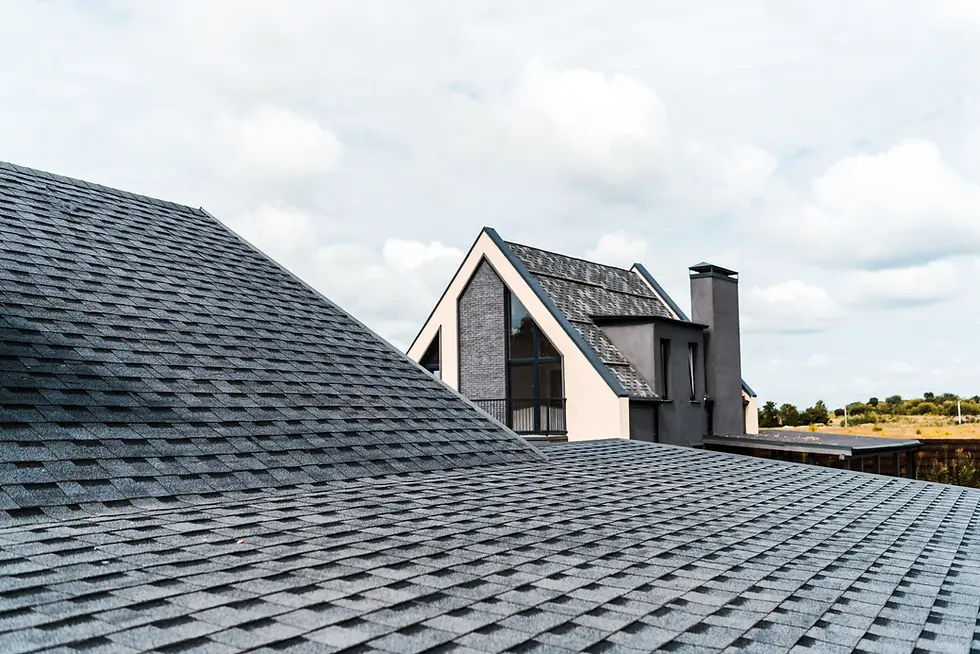
Choosing the right roof starts with understanding the types of roof materials available for New Jersey homes. Each material performs differently depending on the weather, budget, and how long you plan to stay in your home.
In places like Morris County, NJ, roofs must handle snow loads, ice dams, heavy rain, wind, and summer heat, so the wrong choice can lead to early repairs or higher costs.
This guide breaks down the most common roofing material options used across New Jersey, what each one is best for, and which performs best in local conditions.
If you are replacing an aging roof or planning a new installation, knowing how these materials respond to NJ’s climate can help you control the cost of roof replacement and avoid preventable issues later on.
Written with real-world insight from roofing professionals who work on New Jersey homes every day, this article is designed to help homeowners choose a roof that lasts, protects, and adds value.
How New Jersey Weather Affects Roof Material Performance?

New Jersey weather puts steady pressure on every roof. Homes deal with hot summers, heavy rain, strong winds, freezing temperatures, and snow, sometimes all in the same year. These conditions cause roofing materials to expand, contract, and wear down faster if they are not designed for the climate.
In Morris County, weather stress is even more noticeable. Snow accumulation increases roof load during winter, while ice dams form when heat escapes through the attic and refreezes at the roof edge.
Over time, this leads to types of roof damage such as cracked shingles, compromised underlayment, loose flashing, and moisture intrusion. These issues are also a leading cause of common roof leaks seen across northern New Jersey homes.
This is why some roofs age faster than expected. Thinner materials, poor ventilation compatibility, or products not designed for cold climates often crack, curl, or leak years before their advertised lifespan. Wind resistance also matters, as seasonal storms can lift or loosen secured roofing systems improperly.
Understanding how New Jersey weather affects your roof shows why choosing the right material matters just as much as proper installation. With that in mind, let’s take a closer look at the most common types of roof materials used on New Jersey homes and how they hold up in real-world conditions.
Asphalt Shingles
Asphalt shingles are by far the most widely used roofing material on residential homes across New Jersey. Their popularity stems from a practical balance of affordability, durability, and style, making them a smart starting point for many homeowners when thinking about roof replacement.
Why Asphalt Shingles Work Well in NJ
Budget-Friendly: Asphalt shingles are generally less expensive upfront than other roofing materials, making them ideal for most homeowners.
Versatile Aesthetics: They come in a wide variety of colors and styles, from basic 3-tab shingles to premium architectural options, so they fit nearly any home design.
Reliable Weather Resistance: High-quality architectural asphalt shingles can stand up to New Jersey’s mix of rain, wind, and moderate snow loads when installed correctly.
Things to Know Before You Choose
Lifespan: Most asphalt shingle roofs will last 15–30 years, depending on ventilation, installation quality, and local weather exposure.
Not the Top Performer in Severe Weather: While they handle typical NJ conditions well, asphalt shingles are more vulnerable to extreme wind, rapid freeze-thaw cycles, and ice dams than heavier materials.
Best Fit For: Standard residential homes, typical roof pitches, and homeowners prioritizing value without sacrificing protection.
Local Insight from NJ Roofers
Contractors serving Morris County and surrounding areas often recommend premium architectural asphalt shingles with robust wind-resistance ratings because they better withstand seasonal storms and snow compared to basic 3-tab shingles.
Proper attic ventilation is also crucial to prevent ice dam problems during winter and to extend shingle life overall.
Metal Roofing
Metal roofing has become a popular upgrade for New Jersey homeowners who want long-term durability and less worry during harsh weather. In areas like Morris County, where heavy snow, ice, and strong winds are common, metal roofs are known for holding up better than many traditional materials.
Why Metal Roofing Works Well in NJ
Metal roofs are built to handle tough conditions. Snow slides off more easily, which helps reduce roof load during winter storms.
Metal also resists cracking, warping, rot, and insect damage, all of which can affect other roofing materials over time. Many metal roofs also reflect heat, helping homes stay cooler during New Jersey’s hot summers.
A properly installed metal roof can last 40 to 70 years, making it a solid choice for homeowners who plan to stay in their home long-term or want fewer replacements over time.
Local Insight for Morris County Homes
For homes in Morris County, standing seam metal roofing is often recommended. It handles snow buildup well, seals tightly against moisture, and performs better in freeze-thaw cycles common in northern New Jersey. Proper installation is key, especially around flashing and roof penetrations.
Metal roofing is a smart choice if durability, weather resistance, and long-term value are top priorities.
Architectural Shingles
Architectural shingles, also called dimensional shingles, are a popular upgrade from basic asphalt shingles for many New Jersey homeowners. They offer a thicker design, better durability, and a more textured look.
Why Architectural Shingles Make Sense in NJ
These shingles are built with multiple layers, which helps them stand up better to wind, rain, and snow. In New Jersey’s changing weather, that extra thickness matters. Architectural shingles are also designed to resist lifting and curling, two common issues caused by strong storms and freeze-thaw cycles.
Homeowners also like how they look. The added depth gives roofs a more high-end appearance and works well on both traditional and newer home styles. When properly installed, architectural shingles typically last 30 to 50 years, which is longer than standard asphalt shingles.
Local Insight for Morris County Homes
Roofers in Morris County often recommend architectural shingles for homeowners who want better performance without jumping to a full premium roof system.
When paired with proper attic ventilation and ice-and-water shield protection, these shingles perform well during NJ winters and help reduce ice dam issues.
Architectural shingles are a solid middle-ground option if you want improved durability, better looks, and strong value for New Jersey conditions.
Wood Shingles and Shakes
Wood shingles and shakes are chosen mainly for their natural, classic appearance. They are often seen on older homes, custom builds, or properties where style and character matter most. In New Jersey, wood roofing can work well, but only when homeowners understand the maintenance and climate demands.
Why Some NJ Homeowners Choose Wood Roofing
Wood shingles and shakes offer a warm, natural look that is hard to match with manufactured materials. Cedar is the most common choice because it resists insects and decay better than other woods.
When properly maintained, wood roofs can last 30 years or more and provide good insulation, helping regulate indoor temperatures.
This type of roofing is often chosen for homes with traditional, rustic, or historic designs where appearance is a priority.
Local Insight for Morris County Homes
In Morris County, wood roofing works best on homes with good sun exposure and proper roof ventilation, which helps reduce moisture buildup. Many homeowners choose cedar shingles with protective treatments to improve durability and meet local safety standards.
Wood shingles and shakes are best for homeowners who value appearance and are prepared for ongoing maintenance in New Jersey’s climate.
Slate Roofing
Slate roofing is one of the most durable and long-lasting roof materials available. It is often seen on historic homes, older estates, and high-end properties throughout New Jersey. In areas like Morris County, slate is chosen for its strength, classic appearance, and ability to last for generations.
Why Slate Performs Well in New Jersey
Slate is a natural stone, which means it is extremely resistant to weather. It does not rot, warp, or burn, and it holds up very well against heavy rain, snow, ice, and strong winds.
When properly installed, a slate roof can last 75 to 100 years or more, making it one of the longest-lasting roofing options for NJ homes.
Slate also handles freeze-thaw cycles better than many lighter materials, which is important in New Jersey’s winter climate. Its natural weight helps it stay in place during storms.
Local Insight for Morris County Homes
In Morris County, slate is often recommended for homeowners who plan to stay in their home long-term or want to preserve a historic look. Contractors typically inspect the roof structure carefully before installation to ensure it can support the material safely.
Slate roofing is best for homeowners who value longevity, appearance, and long-term performance over upfront cost.
Clay and Concrete Tiles
Clay and concrete tile roofs are known for their strength and eye-catching appearance. While they are more common in warmer regions, they are also used on select New Jersey homes, especially custom builds and higher-end properties.
In Morris County, these materials can work well when installed correctly and supported by the right roof structure.
Why Tile Roofing Can Work in New Jersey
Both clay and concrete tiles are very durable and resistant to fire, rot, and insect damage. They also perform well in rain and can last 50 years or more with proper installation.
Their thickness helps regulate temperature, which can improve comfort inside the home during hot summers.
Concrete tiles are generally more common in NJ than clay because they handle temperature changes better and are less likely to crack in colder weather.
Local Insight for Morris County Homes
For Morris County homes, contractors usually recommend cold-climate–rated concrete tiles rather than traditional clay. Proper underlayment and flashing are critical to prevent moisture issues during winter freezes.
Clay and concrete tile roofing is best for homeowners who want a distinctive look, long lifespan, and are prepared for higher installation costs and structural requirements.
Synthetic Roofing Materials
Synthetic roofing materials are designed to look like natural options such as slate, wood, or tile, but with less weight and easier maintenance. These materials have become more popular across New Jersey as homeowners look for durability without the structural concerns of heavier roofs.
Why Synthetic Roofing Works Well in NJ
Synthetic shingles and tiles are engineered to handle moisture, temperature changes, and impact better than many natural materials. They are lightweight, which means most homes do not need structural upgrades.
Many products are also resistant to cracking, fading, and mold, making them well-suited for New Jersey’s freeze-thaw cycles and wet seasons.
Another advantage is consistency. Synthetic materials are manufactured, so color and shape remain uniform across the roof, which helps maintain curb appeal over time.
Local Insight for Morris County Homes
In Morris County, synthetic slate is often recommended for homeowners who want the look of stone without the added weight. Contractors also check HOA rules and local codes, as some communities have specific design standards.
Synthetic roofing is a smart choice if you want a premium look, lighter weight, and lower maintenance for New Jersey conditions.
Rubber Roofing
Rubber roofing is most often used on flat or low-slope roofs, including home additions, garages, and some modern designs.
In New Jersey, rubber roofing is valued for its flexibility and ability to handle moisture, which makes it a practical choice in Morris County, where rain, snow, and ice buildup are common.
Why Rubber Roofing Works Well in NJ
Rubber roofing materials are designed to stay flexible in both hot and cold temperatures. This flexibility helps prevent cracking during freeze-thaw cycles, which are common in New Jersey winters.
Rubber roofs are also highly resistant to water, making them effective at preventing leaks on flat surfaces where water can pool.
Many rubber roofing systems are low maintenance and made from recycled materials, which appeals to homeowners looking for an eco-friendly option.
Local Insight for Morris County Homes
In Morris County, rubber roofing is commonly recommended for flat-roofed extensions, porches, or commercial-style sections of residential homes. Proper drainage and professional installation are key to long-term performance in NJ’s wet and snowy conditions.
Rubber roofing is a solid choice when durability and water resistance matter more than appearance.
Green Roofs
Green roofs, also known as living roofs, are covered with soil and vegetation instead of traditional roofing materials. While they are not common in most residential homes, they are becoming more popular in modern builds and commercial properties across New Jersey.
Why Green Roofs Can Work in NJ
Green roofs provide natural insulation, which helps reduce heat loss in winter and keeps buildings cooler in summer.
They also absorb rainwater, helping reduce stormwater runoff during heavy New Jersey rainstorms. For homeowners focused on sustainability, green roofs offer clear environmental advantages.
These roofs can also extend the life of the waterproof membrane underneath by protecting it from direct sun exposure and temperature swings.
Local Insight for Morris County Homes
In Morris County, green roofs are more common on commercial buildings or custom homes designed with sustainability in mind. Local building codes and structural evaluations are essential before installation.
Green roofing is best for property owners who prioritize environmental impact and are prepared for higher upfront costs and maintenance responsibilities.
Built-Up Roofing (BUR)
Built-up roofing, often called BUR, is one of the oldest and most reliable systems for flat or low-slope roofs. It is commonly used on commercial buildings, but it is also found on some residential homes in New Jersey, especially where flat roof sections are involved.
Why Built-Up Roofing Works Well in NJ
BUR systems are made with multiple layers of roofing felt and asphalt, finished with a top layer of gravel or coating. These layers create a thick barrier that helps protect against water intrusion, which is important in New Jersey’s wet seasons and during snow melt.
The layered design also adds strength, helping the roof handle foot traffic and resist damage over time. When properly maintained, a built-up roof can last 20 to 30 years.
Local Insight for Morris County Homes
In Morris County, BUR is often recommended for flat roof areas on older homes, additions, or mixed-use properties. Proper drainage is critical, especially during winter thaws when snow and ice melt quickly.
Built-up roofing is a dependable option when water resistance and long-term protection matter more than style.
Slate Composite Roofing
Slate composite roofing is designed to mimic the appearance of natural slate while solving some of its biggest challenges.
For New Jersey homeowners who love the classic slate look but worry about weight and cost, this option has become increasingly popular. In Morris County, slate composite is often chosen as a practical compromise between beauty and performance.
Why Slate Composite Works Well in NJ
Slate composite shingles are much lighter than real slate, which means most homes do not need structural reinforcement. They are also engineered to handle moisture, wind, and temperature changes, making them well suited for New Jersey’s freeze-thaw cycles and seasonal storms.
Many slate composite products resist cracking, fading, and impact damage better than natural stone. This makes them a good option for homeowners who want durability without the maintenance concerns of real slate.
Local Insight for Morris County Homes
In Morris County, slate composite roofing is often recommended for older homes that cannot support the weight of real slate but still need a high-end appearance. Contractors also check local zoning or HOA guidelines to ensure the material meets neighborhood standards.
Slate composite roofing is a smart option if you want the elegance of slate with easier installation and lower structural demands.
PVC and TPO Roofing
PVC and TPO roofing systems are commonly used on flat or low-slope roofs, especially on garages, home additions, and commercial-style residential buildings. In New Jersey, these materials are valued for their energy efficiency and strong waterproof performance. For Morris County homes with flat roof sections, PVC and TPO can be very effective when installed correctly.
Why PVC and TPO Work Well in NJ
Both PVC and TPO membranes are designed to resist moisture, UV exposure, and temperature changes. Their reflective surfaces help reduce heat absorption during hot New Jersey summers, which can lower cooling costs.
These systems also perform well during heavy rain and snow melt by creating a seamless, watertight barrier.
PVC roofing is known for its flexibility and chemical resistance, while TPO is often chosen for its balance of performance and cost. With proper installation, these roofs can last 20 to 30 years.
Local Insight for Morris County Homes
In Morris County, PVC and TPO roofing are often recommended for flat roof sections where water drainage is a concern. Proper slope design, insulation, and flashing details are critical to prevent leaks during freeze-thaw cycles.
PVC and TPO roofing are best for homeowners who want durability, energy efficiency, and reliable waterproofing on flat or low-slope roof areas.
Choosing the Right Roof Material for Morris County
With so many types of roof materials available, the best choice depends on how your home is built, where it is located, and how long you plan to stay. New Jersey’s climate plays a major role in this decision, especially in Morris County, where snow load, ice dams, and freeze-thaw cycles are common.
Climate: Snow, ice, and coastal weather impact durability.
Budget: Initial cost vs. long-term maintenance.
Aesthetics: Curb appeal and neighborhood guidelines.
Longevity: How long you plan to stay in your home.
Maintenance: Some materials require frequent upkeep; others are low-maintenance.
Making the right choice upfront can also reduce the likelihood of needing a professional roof repair service sooner than expected. Selecting materials suited to New Jersey conditions helps protect your home, extend the roof's lifespan, and avoid recurring repairs from weather-related damage.
Finding the Best Roof for Your New Jersey Home
Understanding the types of roof materials helps homeowners make informed roofing decisions. In New Jersey, especially in Morris County, the right choice depends on how well a material handles local weather, supports your home’s structure, and aligns with your long-term plans.
Each option, from asphalt shingles to metal and slate, offers different advantages. The goal is to select a roofing system that withstands New Jersey’s seasonal conditions while matching your budget and maintenance expectations.
Working with experienced local roofing professionals matters. Contractors who understand NJ building codes, snow load requirements, and common regional issues can recommend materials that perform reliably over time.
If you are planning a roof replacement or new installation in Morris County or anywhere in New Jersey, NJ Gold Star Construction can help you choose a roofing solution built for local conditions. Reach out today to discuss materials, timelines, and expert installation.
Frequently Asked Questions About Roof Materials in New Jersey
Which roof material lasts the longest in Morris County?
Slate and metal roofing offer the longest lifespans in Morris County, often lasting 40 to 100 years. However, lifespan depends heavily on proper installation, ventilation, and maintenance, not just the material itself.
Are asphalt shingles a good choice for New Jersey homes?
Yes. High-quality architectural asphalt shingles are a popular and reliable option for New Jersey homes. They provide good weather resistance at a lower upfront cost and work well for most residential roof designs when paired with proper insulation and ventilation.
Do I need a permit to replace my roof in New Jersey?
In most New Jersey towns, including those in Morris County, a permit is required for roof replacement. A licensed local contractor typically handles the permit process and ensures the project meets local building codes and snow load requirements.
How do I choose the right roof material for my home?
The right roof material depends on your home’s structure, roof pitch, budget, and how long you plan to stay in the home. A professional roofing inspection helps determine which materials are best suited for your property and New Jersey’s climate.


Comments