


11 Signs You Need Gutter Installation and Repair

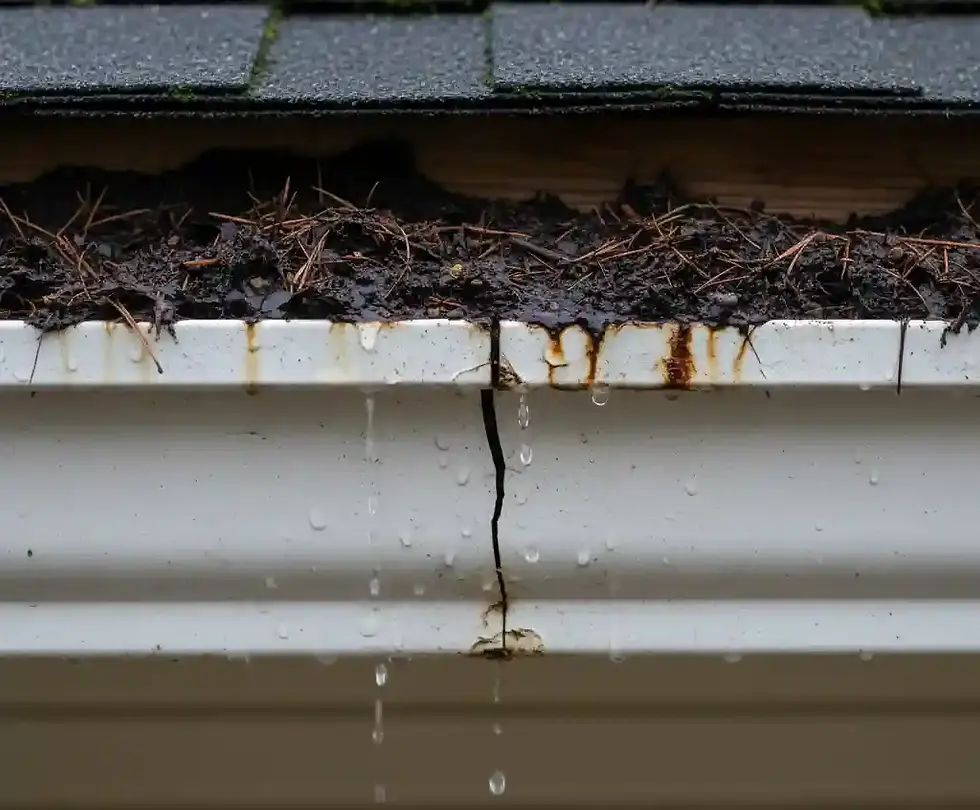
Most homeowners do not think about their gutters until something goes wrong. Water starts dripping where it should not, soil washes away near the foundation, or stains appear along the siding.
These small warnings often show up quietly, but they usually point to a bigger issue that needs attention. Over the years, we have seen how quickly minor gutter problems can turn into costly repairs when they are ignored.
This is where gutter installation and repair become critical. Gutters are not add-ons. They guide rainwater away from your home and protect everything from the roof down to the foundation.
When they stop working the way they should, your entire home is at risk. The good news is that your home often gives you clear signs before serious damage happens.
Below are a few early signs many homeowners notice first. Catching these early can save you stress, money, and long term damage.
The 11 Most Common Signs You Need Gutter Installation and Repair
Gutters rarely fail overnight. In most cases, they give clear warnings long before serious damage sets in. The challenge is knowing which signs matter and which ones homeowners tend to overlook.
Many people assume a little overflow or a small leak is normal, but those issues often point to a deeper problem that goes beyond DIY versus professional gutter cleaning decisions.
Over time, we have noticed that the same warning signs show up again and again across different homes. These signals usually appear when gutters are no longer directing water the way they should.
Recognizing them early helps protect your roof, siding, foundation, and even your interior spaces. Below are the most common signs we see that indicate it is time to consider gutter installation and repair.
Water overflowing during rainstorms
Gutters are designed to capture rainwater and move it safely away from your home. When water spills over the sides during even moderate rain, something is not working correctly. This could be caused by clogs, poor slope, undersized gutters, or damage along the run.
Overflowing water often lands right next to the foundation, which is one of the fastest ways to create long term structural problems. Over time, this can contribute to roof leaks and exterior moisture damage if left unaddressed.
Puddles or standing water near the foundation
After a storm, the area around your home should dry out fairly quickly. When puddles or soggy soil linger near the foundation, it usually means the gutters and downspouts are not directing water far enough away. This issue often goes unnoticed until cracks or leaks appear inside the home.
Standing water near the foundation increases the risk of basement leaks, foundation movement, and long term structural problems. In many cases, the issue is not the ground itself but the gutter system failing to do its job.
Sagging or drooping gutters
Gutters should run straight and tight along the roofline. When sections start to sag or dip, it is usually due to trapped debris, standing water, or fasteners that have loosened over time. The extra weight puts stress on the system and prevents proper drainage.
Sagging creates low points where water collects instead of flowing out. This leads to leaks, overflow, and faster wear on the gutter material. Over time, this can contribute to broader exterior issues that may eventually require roof repair if moisture reaches the roof edge and fascia.
Gutters pulling away from the roofline
Visible gaps between the gutter and fascia board are a serious warning sign. This often happens when fasteners fail or when water weight repeatedly strains the attachment points. Once gutters pull away, water begins to flow behind the system instead of into it.
Water running behind gutters can rot fascia boards, damage soffits, and stain siding. This issue should be addressed quickly before it leads to costly exterior repairs.
Cracks, holes, or rust spots
Small cracks or pinholes may seem minor, but they allow water to escape exactly where it should not. Over time, these leaks drip onto wood trim, siding, and foundation areas. Rust spots are another indicator that the gutter material is breaking down.
When damage is limited, repairs may be possible. However, widespread cracking or corrosion usually means the gutters are nearing the end of their lifespan and replacement should be considered.
Leaks at seams or corners
Seams and corners are natural weak points in many gutter systems. As sealants age and joints loosen, water begins to drip from these connection points. Homeowners often notice this during light rain, even when the rest of the gutter appears intact.
Recurring seam leaks often indicate that patching is no longer a reliable solution. This is especially common in older sectional systems where multiple joints create multiple failure points.
Water stains or streaks on siding and fascia
Dark streaks or discoloration beneath gutters are visual clues that water is escaping the system. These stains form when water repeatedly runs down siding or fascia instead of flowing through the downspouts.
Staining often appears before serious damage sets in and is commonly associated with common types of roof damage that start at the roof edge and work their way down.
Peeling paint on gutters or exterior trim
Paint that bubbles, peels, or flakes near the roofline is often caused by constant moisture exposure. Gutters that leak or overflow allow water to sit against painted surfaces, breaking down the finish over time.
This is not just a cosmetic issue. Peeling paint often signals moisture intrusion that can lead to rot beneath the surface if left unaddressed.
Mold or mildew near the roofline or attic
When gutters fail, moisture can travel into areas you cannot easily see. Mold or mildew near the roofline, attic, or upper walls often points to water entering through compromised gutter systems.
These issues can affect indoor air quality and lead to more serious repairs if ignored. Gutter problems are often the root cause when exterior moisture finds its way inside.
Basement dampness or foundation moisture
Unexplained moisture in basements or crawl spaces is frequently tied to poor exterior drainage. When gutters do not move water away from the home, it collects around the foundation and slowly seeps inside.
Many homeowners focus on interior fixes without realizing the source of the problem starts outside with the gutter system.
Bent, crushed, or visibly damaged gutter sections
Gutters can become bent or misshapen from ladders, falling branches, heavy snow, or ice buildup. Once the shape is compromised, water flow becomes unpredictable and inefficient.
Damaged sections rarely drain correctly and often need replacement to restore proper function. Ignoring visible damage usually leads to bigger failures during heavy rain or winter conditions.
When Gutter Repair or Replacement Makes Sense?
One of the biggest questions homeowners ask us is whether a gutter problem can be fixed or if it is time to start fresh with a new system.
The answer depends on the condition of the gutters, how widespread the damage is, and how often the same issues keep showing up.
Knowing when to repair or replace your gutters is easier when you work with professional gutter services that can identify problems early and recommend the right solution.
Below is a clear, homeowner friendly way to tell the difference.
When Gutter Repair is Usually the Right Move
Repair makes sense when the gutter system is still structurally sound and the problems are limited to a few areas. In these cases, fixing the issue early can restore proper water flow and extend the life of the gutters.
Gutter repair is often enough when:
Leaks are isolated to a few seams or corners
Fasteners have loosened but the gutter shape is intact
Small cracks or pinholes are limited to one section
Gutters are sagging slightly due to debris or clogged downspouts
Overflow is caused by buildup rather than system failure
When we handle repairs at this stage, homeowners usually avoid more expensive exterior damage and keep their existing system working as intended.
When Gutter Replacement Becomes the Smarter Option
Replacement becomes the better choice when problems are widespread or keep coming back. At this point, repairs turn into temporary fixes that cost more over time without solving the root issue.
Full replacement is often recommended when:
Gutters are pulling away from the roof in multiple areas
Rust, corrosion, or cracking appears along long sections
The same leaks return after repeated repairs
Gutters are bent, crushed, or misshapen along the run
Water consistently pools near the foundation despite fixes
The system is outdated or undersized for the roof
In these situations, installing a new system improves drainage, reduces maintenance, and protects the home more effectively long term.
Choosing between repair and replacement is not just about fixing a visible issue. It is about preventing water from reaching places it should never go.
Gutters protect the roof, siding, foundation, and interior spaces all at once. Making the right call early often saves homeowners from much larger repairs later.
At NJ Gold Star Construction, we approach every gutter issue with a full inspection and an honest recommendation. Our experience helps homeowners understand what their home actually needs, not just what seems convenient at the moment.
That approach is what allows us to deliver long lasting results and protect the homes we work on year after year.
When to Repair or Replace Your Gutters?
Knowing whether your gutters need a simple repair or a full replacement does not have to be confusing. The key is looking at how widespread the problem is and how often it keeps coming back.
Gutter repair is usually enough when the system is still in good shape overall. Small leaks at a seam, a loose fastener, or a short section that sags can often be fixed quickly.
When damage is limited and does not repeat, repairs can restore proper water flow and extend the life of your gutters.
Gutter replacement makes more sense when problems are spread across the system. Gutters that pull away from the roof in several areas, show heavy rust or cracking, or keep leaking after repairs are signs the system is wearing out.
In these cases, replacing the gutters provides better protection and prevents ongoing water damage.
Protect Your Home Before Small Gutter Problems Get Bigger
Gutters may be easy to overlook, but they play a critical role in protecting your home. Signs like water overflow, sagging gutters, leaks, stains, and foundation moisture should never be ignored.
Catching these problems early helps prevent expensive damage to your roof, siding, basement, and foundation.
At NJ Gold Star Construction, we bring decades of hands-on experience helping homeowners protect their properties from water damage.
Our team understands how local weather, roof design, and proper drainage work together to allow us to provide honest guidance, whether you need a simple gutter repair or a long-lasting replacement.
If you are noticing any of the signs we discussed, now is the right time to take action. Reach out to NJ Gold Star Construction for a professional gutter evaluation and clear guidance you can trust.
Frequently Asked Questions
How often should gutters be professionally inspected?
Most homes benefit from a professional gutter inspection once a year. Homes with mature trees or heavy seasonal storms may need inspections twice a year to catch early issues before damage occurs.
Do gutter problems always show visible signs?
Not always. Some of the most damaging gutter issues happen out of sight, such as improper slope, hidden leaks behind fascia, or water draining too close to the foundation. That is why professional inspections matter even when gutters look fine from the ground.
Can improper gutter installation cause problems even with new gutters?
Yes. Poor installation can lead to overflow, standing water, leaks, and premature wear even on brand new gutters. Correct pitch, secure fastening, and proper downspout placement are just as important as the gutter material itself.
Are seamless gutters worth it compared to sectional gutters?
Seamless gutters have fewer joints, which reduces the risk of leaks and maintenance issues over time. Many homeowners choose seamless systems for better long-term performance and cleaner appearance.
Does gutter damage affect my home insurance coverage?
In some cases, yes. Insurance claims related to water damage may be affected if gutters were clearly neglected or improperly maintained. Keeping gutters in good condition helps reduce both risk and potential claim issues.


Comments