


Understanding Chimney Flashing: Essential for Your Roof's Health

Updated: Apr 13
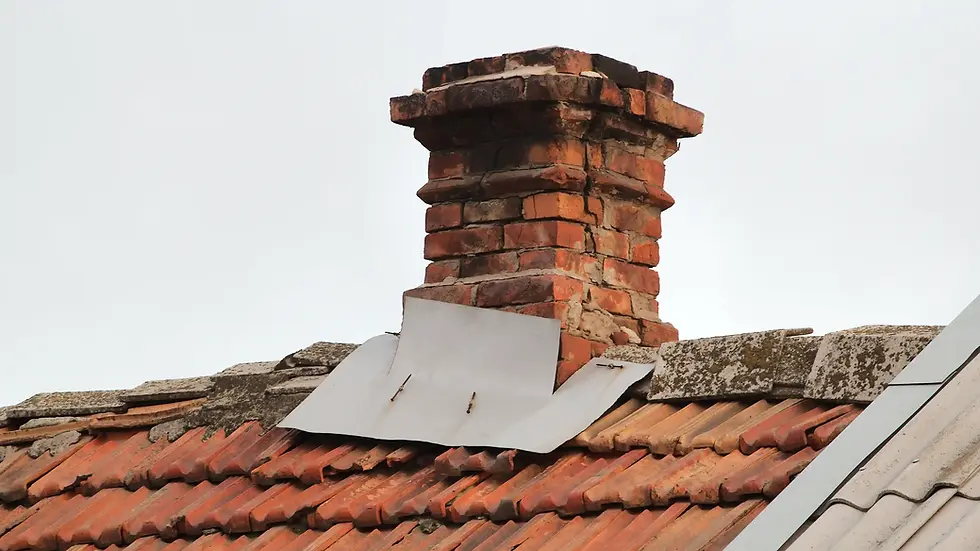
If you notice water stains near your chimney, rusted metal around its base, or persistent leaks every time it rains, your chimney flashing may be failing.
Chimney flashing is crucial. It seals the joint where your roof meets the chimney. When it breaks down, water can seep into your roof, attic, walls, and even your masonry.
In New Jersey, this issue can escalate quickly. Heavy rain, snow, ice, and freeze-thaw cycles all put extra stress on flashing and brickwork.
Proper flashing is vital. It directs water away from vulnerable areas. Once that protection fails, moisture damage can spread further than most homeowners expect.
Why Chimney Flashing Is Important for Your Roof?
Chimney flashing is the metal waterproofing system installed where the chimney intersects with the roof. Its job is straightforward: it prevents water from slipping into the gap between the chimney and the roofing materials.
When installed correctly, flashing helps move water away from the chimney and off the roof. It serves as a critical water-control detail that protects one of the most vulnerable areas of your roof.
Roof penetrations like chimneys, vents, and skylights are common leak points because they disrupt the roof’s surface. This is why many roof contractors in New Jersey pay close attention to flashing during inspections and repairs.
When flashing is damaged, loose, rusted, or poorly sealed, water finds its way in. Once it does, the problem is often more serious than it appears. Water can spread beneath shingles, soak into the roof deck, and travel along framing before showing up inside your home.
That is why chimney flashing problems often manifest as roof leaks, stained ceilings, soft roof decking, or moisture damage around the chimney area. Water can travel before it becomes visible, meaning the stain you see inside is not always directly below the actual entry point.
10 Signs Your Chimney Flashing is Failing
Most chimney leaks do not happen suddenly. They build over time as flashing starts to wear out, loosen, or separate from the roof. The challenge is that many of the early signs are easy to overlook or mistake for something else.
By understanding the most common warning signs of failing chimney flashing, you can take action early and learn how to fix chimney flashing before the damage worsens.
1. Water stains on ceilings or walls near the chimney
This is one of the most common warning signs. Brown spots, yellow staining, or damp drywall near the chimney often indicate water intrusion. If the stains darken after rain or snow, that is a strong clue the leak is active.
2. Rust or corrosion on the flashing metal
Flashing should not appear heavily rusted, pitted, or worn out. Rust signifies that the metal is breaking down and losing its ability to protect the roofline.
3. Cracked or dried-out sealant
Many chimney flashing issues start small. Sealant around the joints may crack, shrink, or pull apart over time. Once gaps open up, water starts getting in.
4. Flashing that is pulling away from the chimney
If the metal looks lifted, bent, loose, or separated from the chimney, do not ignore it. Even a small opening can allow repeated water entry during storms.
5. Damaged shingles around the chimney
Shingles near the chimney often show wear when flashing has failed. You may notice curling, staining, soft spots, or missing shingles in that area.
6. Damp attic insulation or wet roof decking
Sometimes the first real clue is in the attic. Wet insulation, dark wood, moldy smells, or damp roof boards near the chimney can all point to flashing failure.
7. White staining on the chimney brick
That white, chalky residue is called efflorescence. It indicates that moisture is moving through the masonry. On its own, it does not prove the flashing is the only issue, but it does signal that water is getting where it should not.
8. Crumbling mortar or brick damage
In New Jersey, moisture problems are even more critical because freeze-thaw cycles can damage brick and mortar. Water gets into small openings, freezes, expands, and gradually weakens the chimney structure.
9. Leaks that return after every storm
If you already tried a patch and the leak keeps coming back, the issue may be deeper than a quick sealant fix. Repeated leaks usually mean the flashing system itself is compromised.
10. A chimney leak that gets worse with age
Older flashing systems naturally wear out. If your roof or chimney is older and you have never had the flashing inspected, age alone can be a significant risk factor.
Is it Really Flashing or Something Else?
This is where many homeowners get stuck. Not every chimney-area leak is caused by flashing.
Sometimes the real problem is:
Damaged shingles nearby
Cracked chimney masonry
Crown damage at the top of the chimney
Moisture entering from another roof penetration
Old roofing materials wearing out around the chimney
That is why a proper inspection matters. A stain on the ceiling may look like a chimney flashing issue, but water often travels before it shows up indoors.
A professional inspection helps confirm whether the problem is flashing only or part of a larger roof or chimney repair. In many cases, this may involve brick and chimney repair along with roofing work to fully resolve the issue.
Repair vs Replacement
This is one of the biggest questions homeowners ask us.
When repair may be enough
A repair is often the better option when:
The damage is small and localized
The metal is still structurally sound
The leak is caught early
The sealant failed but the flashing itself is still in good shape
When replacement makes more sense
Replacement is usually the smarter choice when:
The flashing is rusted through
The metal is lifting in multiple places
The leak keeps returning
The original installation was done poorly
Nearby shingles or masonry are also damaged
You are already replacing the roof
Pros and cons of repair
Pros
Lower upfront cost
Faster project
Less disruption
Cons
May not last if the flashing is already worn out
Could turn into repeat maintenance
Pros and cons of replacement
Pros
Longer-lasting solution
Better water protection
Smarter value when damage is widespread
Cons
Higher upfront cost
May uncover related roof or chimney issues
DIY vs Professional Repair: Which Is the Better Choice?
I understand why homeowners look for a simple fix first. If you see a small gap or crack, it is tempting to reach for sealant and hope that solves it.
But chimney flashing is not just a bead of caulk around the chimney. It is part of the roof’s water-shedding system. If the layers are not installed correctly, water keeps finding a way through.
That is one reason professional chimney services are often the right choice to inspect and fix chimney flashing problems properly, especially when both roofing and chimney components are involved.
As a homeowner, you can safely:
Watch for stains
Check the attic
Take photos after storms
Note when leaks appear
A professional should handle tasks that go beyond basic observation, especially when safety and proper installation are involved.
It includes accessing the roof safely, removing shingles without causing further damage, replacing chimney flashing correctly, and accurately diagnosing the source of the leak.
They are also equipped to handle repairs that involve both the chimney and roofing materials, ensuring the entire system is sealed and protected properly.
Average Chimney Flashing Repair Costs in NJ
Recent 2026 cost data shows chimney flashing repair or replacement commonly falls between $400 and $1,600, while smaller resealing work may start around $200. Chimney inspections often range from $80 to $200.
Costs can rise when there is masonry damage, roof access is difficult, the chimney is larger, or the flashing material is more expensive.
Here in New Jersey, pricing can also be affected by:
Steep roof pitch
Multi-story access
Older chimney construction
Surrounding shingle damage
Hidden water damage in decking
Weather-related scheduling issues
A broader 2026 estimate from HomeGuide places chimney flashing repair at roughly $300 to $1,800, which aligns closely with Angi’s current range.
That gives homeowners a realistic expectation that small fixes may stay on the lower end, while full correction with related repairs can climb higher.
Why Chimney Flashing Problems Get Worse Faster in NJ Weather?
New Jersey homes deal with a rough mix of weather. Heavy rain, wind-driven storms, snow buildup, and repeated freezing and thawing all put pressure on roof penetrations like chimneys.
Moisture is not just a roof problem either. Once water starts entering around the chimney, it can affect brick, mortar, roof decking, insulation, and interior finishes.
That is why a small flashing issue can turn into a larger repair if left alone. Moisture deterioration and freeze-thaw damage are well-documented causes of masonry distress.
How to Decide What is Best for Your Home?
Choosing between a repair, a full replacement, or a deeper inspection depends on what you’re seeing and how long the issue has been there.
A repair may be the best option if the leak is new and the damage is minor. For example, if you notice a small water stain after a heavy rain and the flashing still looks intact, the problem could be a simple sealant gap that can be fixed quickly.
A replacement makes more sense if the leak keeps coming back or the flashing is visibly worn out. If you’ve already patched the area but the issue returns after every storm, that is usually a sign the flashing system itself needs to be replaced, not just sealed.
A broader inspection is the better choice when multiple issues appear at the same time. For instance, if you see interior stains along with cracked chimney bricks or damaged shingles nearby, the problem may involve both the roof and the chimney.
This decision matters because the wrong fix often leads to repeated repairs and higher costs over time. Choosing the right solution early helps protect your home and avoids bigger problems later.
When to Schedule an Inspection?
Do not wait until the damage becomes obvious inside your home.
It is smart to schedule an inspection:
After a major storm
When you notice stains near the chimney
Before winter
If leaks have returned
If your chimney has visible brick or mortar damage
The Chimney Safety Institute of America says chimneys should be inspected annually, and it also notes that the National Fire Protection Association recommends annual chimney inspection as well.
If you are noticing any of these signs, it is best to act early. You can call NJ Gold Star Construction to schedule an inspection and prevent the issue from getting worse.
Catch Chimney Flashing Problems Before They Get Expensive
When chimney flashing starts to fail, the warning signs are usually there before the damage becomes severe. Water stains, rust, loose flashing, damaged shingles, and recurring leaks all point to a problem that should be checked sooner rather than later.
In New Jersey, that matters even more because our weather can turn a small leak into a much larger roof and masonry issue.
For homeowners trying to decide between a basic repair and a more complete fix, the most important step is getting the right diagnosis early. That is what helps protect your roof, your chimney, and the inside of your home.
For NJ Gold Star Construction, that is the real significance of this topic. It is not just about spotting failing flashing. It is about preventing avoidable damage and making the best repair decision before the costs grow.
Frequently Asked Questions
How long does chimney flashing usually last?
Chimney flashing can last anywhere from 15 to 30 years depending on the material, installation quality, and weather exposure. In New Jersey, harsh conditions like heavy rain, snow, and freeze-thaw cycles can shorten its lifespan, especially if maintenance is overlooked.
Can chimney flashing fail even if the roof is still in good condition?
Yes, it can. Flashing often fails before the rest of the roof because it sits at a joint where materials meet and move differently. Even if your shingles look fine, the flashing around the chimney may already be worn or separating.
Is chimney flashing repair included in a roof replacement?
In most cases, yes. When a roof is replaced, the chimney flashing is typically replaced as well to ensure proper sealing and long-term protection. Reusing old flashing can lead to early leaks even with a new roof.
How long does chimney flashing repair or replacement take?
Most chimney flashing repairs can be completed in a few hours, while full replacement may take a day depending on the complexity of the roof and chimney structure. Weather conditions can also affect the timeline.
Can different flashing materials affect performance?
Yes. Common materials include aluminum, galvanized steel, and copper. Copper tends to last the longest but costs more, while aluminum is more affordable but may not last as long in harsh conditions.


Comments