


How to Fix Chimney Flashing Leaks in New Jersey Homes?


If you are dealing with a chimney leak, you are not alone. We see this problem all the time across New Jersey, especially after heavy rain or snow. The truth is, most chimney leaks come down to one issue: flashing failure.
Knowing how to fix chimney flashing can save you from serious water damage, especially here in New Jersey where heavy rain, snow, and freeze-thaw cycles are common. We see this issue all the time, and in most cases, the problem comes down to failing or improperly installed flashing.
In simple terms, the process includes:
Inspecting where the leak is coming from
Removing old or damaged flashing
Installing new step flashing and base flashing
Adding counter flashing into the chimney joints
Sealing and testing the repair
Let’s walk you through it the way we explain it to homeowners every day.
What Causes Chimney Flashing Leaks in New Jersey Homes?
Chimney flashing is the metal barrier that seals the gap between your chimney and your roof. When it fails, water finds its way inside, often becoming one of the common roof leaks homeowners deal with.
In New Jersey, this happens faster than most homeowners expect.
We deal with:
Freeze and thaw cycles in winter
Heavy rain and wind-driven storms
Snow buildup and ice dams
Aging mortar joints on brick chimneys
According to the National Weather Service, repeated melting and refreezing can push water under shingles and into the home. That is exactly what happens when flashing starts to fail.
Signs Your Chimney Flashing Is Leaking
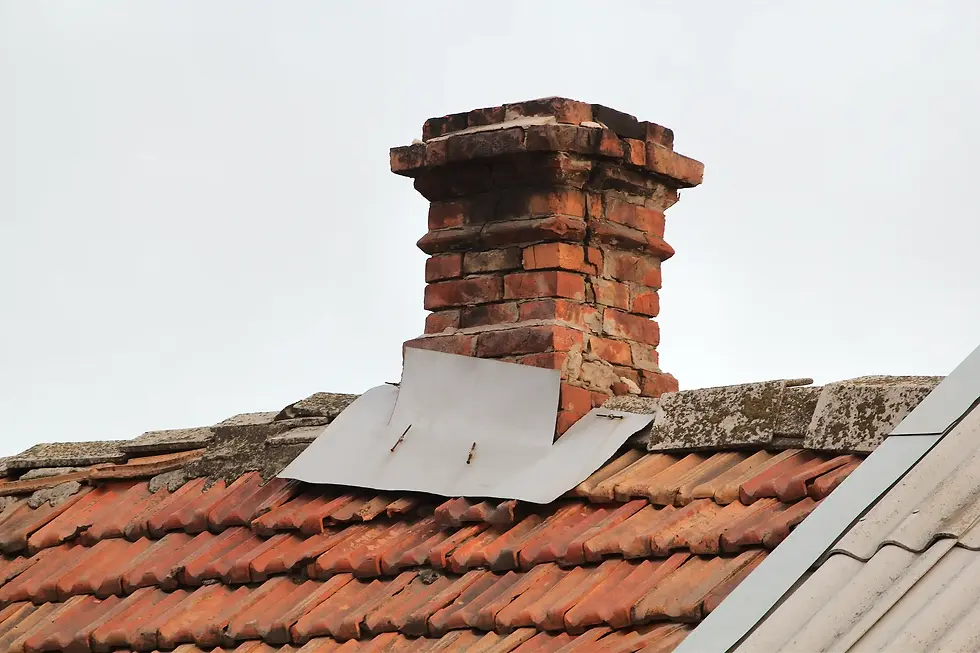
Before you fix anything, you need to be sure flashing is the problem.
Here are the most common signs we see:
Water stains near the chimney on ceilings or walls
Leaks during heavy rain or after snow melts
Rusted or loose metal around the chimney
Cracked mortar where flashing meets the brick
Damp insulation in the attic near the chimney
One important thing we always tell homeowners: not every chimney leak is flashing. It could also be the chimney crown or masonry. That is why proper inspection matters.
If you are noticing any of these warning signs, it is a good idea to schedule a professional inspection with NJ Gold Star Construction so we can identify the exact source of the leak and recommend the right fix before it gets worse.
Before You Start Fixing Chimney Flashing
We always tell homeowners this first, and we really mean it. Safety comes before anything else.
Working on a roof can be risky, especially if it is steep or even slightly wet. If your roof feels high, slippery, or already damaged, this is not something you want to take on yourself.
You should stop and call a professional if:
The roof is steep or multi-story
There is visible structural damage
The chimney brick is loose or deteriorating
The leak has been ongoing for a long time
This guide helps you understand the process. But knowing when to step back is just as important.
Tools and Materials Needed for Chimney Flashing Repair
If you are handling a small repair or inspection, here are the basics:
Pry bar and hammer
Roofing nails
Tin snips
Utility knife
Replacement flashing (aluminum, steel, or copper)
Roofing sealant (for limited use only)
Step flashing pieces
Counter flashing
Safety gear
From our experience, cheaper materials like thin galvanized metal wear out faster. Higher-quality materials like copper or stainless steel last longer, especially in harsh weather.
How to Fix Chimney Flashing Step by Step?
This is the part most homeowners are really looking for. We are going to walk you through the process clearly so you understand what a proper fix actually involves.
Even if you are not planning to do the repair yourself, knowing these steps helps you spot shortcuts and make better decisions.
Step 1: Inspect the Leak Source
Check the area around the chimney, including:
Shingles near the chimney
The metal flashing
Mortar joints between bricks
The chimney crown at the top
We always remind homeowners that not every chimney leak is caused by flashing. Sometimes it is the masonry or the crown. Misdiagnosing the problem is one of the biggest reasons repairs fail.
Step 2: Remove Old Flashing and Damaged Materials
To fix the problem correctly, the damaged flashing has to be removed.
This means carefully lifting the surrounding shingles and pulling out old flashing, nails, and sealant. Take your time here. Rushing can tear shingles that are still in good condition and create more issues.
A proper repair always starts with a clean surface.
Step 3: Repair or Clean Mortar Joints
If the mortar where the flashing sits is cracked or deteriorated, it needs to be addressed before installing new flashing.
This usually involves removing loose mortar and preparing the joint for new material. In some cases, this step may require brick and chimney repair to restore the structure and ensure the flashing can be properly secured.
Simply sealing over cracked mortar might stop the leak for a short time, but it will not hold up through New Jersey weather.
Step 4: Install New Base Flashing
Base flashing goes at the front of the chimney where water first hits.
Its job is to direct water away from the chimney and onto the roof surface. It should overlap the shingles properly so water flows over it, not under it.
According to professional inspection standards, base flashing should extend several inches over the shingles to create a proper water-shedding path. In many cases, it extends about 3 to 6 inches over the shingles and up the chimney surface, which helps prevent water from slipping behind the flashing.
If this step is done wrong, water can easily get behind the flashing and into your home. That is when small leaks turn into bigger structural problems.
Step 5: Install Step Flashing Along the Sides
This is one of the most important parts of the entire repair.
Step flashing is installed in pieces, with each piece aligned to a row of shingles. This creates a layered system that moves water safely down the roof.
A mistake we see often is using one long piece of metal instead of step flashing. That might look easier, but it almost always leads to leaks.
Step 6: Add a Back Pan or Cricket
Behind the chimney is where water tends to collect, especially during heavy rain or snow.
A back pan or cricket helps split and redirect water so it flows around the chimney instead of pooling behind it. This step is often skipped in DIY repairs, but it plays a big role in preventing future leaks.
Step 7: Install Counter Flashing
Counter flashing is installed into the mortar joints of the chimney and covers the top edge of the step flashing. It creates a sealed system that blocks water from getting behind the flashing.
For it to work properly, it needs to be embedded into the brick joints. Surface-level sealing alone is not enough.
Step 8: Seal the Right Areas
Sealant should be used carefully and only where needed.
It is there to support the flashing system, not replace it. If a repair depends too much on caulk, it is usually a sign that the flashing was not installed correctly.
Step 9: Reinstall Shingles
Once the flashing is in place, the shingles are reinstalled.
They need to be aligned properly and nailed in the correct spots. Poor nailing can create new entry points for water.
Step 10: Test the Repair
After everything is installed, test the area using a hose to simulate rain.
Then check inside your attic or ceiling area for any signs of moisture. If water still gets through, something was missed and needs to be corrected.
When a Repair Is Not Enough?
Not every chimney flashing issue can be solved with a simple repair. In some cases, the damage goes beyond what patching can fix. If the flashing is heavily rusted, the metal has already weakened and will continue to fail even after sealing.
If leaks keep coming back after multiple repairs, that is usually a sign that the underlying flashing system was not installed correctly in the first place.
We also see problems when chimneys do not have a proper cricket behind them, which allows water to collect and eventually find its way inside.
In situations like these, continuing to patch the problem often leads to higher costs over time. A full replacement may seem like a bigger investment upfront, but it usually provides a more reliable and long-term solution.
This is where working with experienced roof contractors in New Jersey can make a big difference, since they can assess the full system and recommend the right fix instead of repeated temporary repairs.
Common Chimney Flashing Mistakes We See
Over the years, we have seen the same issues again and again:
Using sealant as the main fix
Skipping step flashing
Not embedding counter flashing
Ignoring water flow behind the chimney
Mixing materials that corrode each other
Avoiding these mistakes is key to a long-lasting repair.
How New Jersey Weather Affects Chimney Flashing?
New Jersey weather puts constant stress on chimney flashing. Freeze-thaw cycles cause water to expand inside small gaps, which weakens flashing and mortar over time. As these gaps grow, water can enter more easily.
Ice dams also contribute to leaks. When melting snow refreezes at the roof edge, it traps water and forces it under shingles and around flashing. According to the National Weather Service, repeated melting and refreezing can push water beneath roofing materials and lead to interior damage.
Proper insulation plays a key role in preventing this. In mixed climates like New Jersey, attic insulation is typically recommended at R-38 to R-49, which is about 13 to 16 inches of material, to help maintain consistent roof temperatures and reduce ice dam formation.
How Much Does It Cost to Fix Chimney Flashing?
The cost to fix chimney flashing depends on how serious the damage is and whether it needs a simple repair or a full replacement.
For most homeowners, chimney flashing repair typically costs between $400 and $1,600, with an average around $1,000.
If the issue is minor, such as sealing small gaps or fixing a small section, the cost can be lower. But if the flashing is rusted, poorly installed, or causing repeated leaks, a full replacement is usually needed, which falls on the higher end of that range.
Several factors affect the final price:
Size of the chimney
Type of flashing material (steel is cheaper, copper costs more)
Roof height and slope
Extent of damage and labor required
In some cases, large or complex chimneys can cost $2,000 or more to repair properly.
The key thing we tell homeowners is this: delaying repairs often leads to higher costs. A small flashing issue is much more affordable to fix than water damage inside your home.
If you are unsure about the condition of your flashing, it is best to schedule a professional inspection so you can address the problem early and avoid bigger repairs later.
Should You DIY or Hire a Professional?
Many homeowners ask if they can fix chimneys flashing themselves. The answer depends on the situation.
For small issues like minor sealing or a quick inspection, some homeowners may try a DIY approach. However, chimney flashing repair is more complex than it looks. It involves proper layering of materials, working around masonry, and making sure water flows correctly away from the chimney.
Roof work also comes with safety risks. Climbing on a steep or wet roof, handling tools, and removing shingles can quickly become dangerous without the right experience and equipment.
In our experience, DIY fixes often focus on sealing the problem instead of fixing the actual cause. This may stop the leak temporarily, but it usually comes back, sometimes worse.
Hiring a professional is the better option when:
The leak keeps coming back
Flashing is damaged or rusted
The repair involves removing shingles or mortar
The roof is steep or hard to access
Professionals who specialize in professional chimney services understand how flashing systems are built and how water moves around your chimney, allowing them to deliver a long-term solution instead of a temporary fix.
If you want the repair done safely and correctly the first time, it is best to call NJ Gold Star Construction. We can identify the exact issue and recommend the right solution to protect your home.
How to Prevent Future Chimney Flashing Leaks?
Prevention is always easier than repair. Here is what we recommend:
Inspect your roof yearly
Check after major storms
Keep debris off your roof
Repair mortar early
Watch for water stains indoors
Maintain attic insulation and ventilation
Good maintenance can extend the life of your flashing significantly.
Stop Chimney Leaks Before They Get Worse
Understanding how to fix chimney flashing is not just about stopping a leak. It is about protecting your entire home from water damage.
The right repair involves proper materials, correct installation, and attention to how water flows around your chimney. In New Jersey, where weather conditions are harsh and unpredictable, doing it right the first time makes all the difference.
If you are unsure about the condition of your flashing or want a long-term solution, it is always better to get a professional inspection and fix the problem before it gets worse.
FAQs About Chimney Flashing Repair
Can chimney flashing be repaired without removing shingles?
In some minor cases, small sections can be repaired without removing many shingles. However, most proper repairs require lifting or removing shingles to install flashing correctly and prevent future leaks.
What is the best material for chimney flashing?
Common materials include aluminum, galvanized steel, stainless steel, and copper. Copper and stainless steel tend to last longer, while aluminum is more affordable but may wear out faster over time.
How do I know if my chimney needs a cricket installed?
If your chimney is wider than about 30 inches, building standards often recommend adding a cricket behind it. This helps prevent water from pooling and reduces the risk of leaks.
Can poor gutter drainage affect chimney flashing?
Yes, clogged or poorly directed gutters can cause water to overflow and collect near the chimney area. Over time, this increases stress on flashing and can lead to leaks.
How often should chimney flashing be inspected?
We recommend having your chimney flashing inspected at least once a year and after major storms. Early detection can prevent costly repairs later.
Is chimney flashing repair a same-day job?
Most chimney flashing repairs can be completed in one day, depending on the size of the chimney and the extent of the damage. More complex repairs may take longer if masonry work is involved.
References:
J.J Landerman Roofing - https://jjlandermanroofing.com/blog/chimney-roof-flashing-repair-guide/
North West Roof - https://northwestroof.com/how-to-repair-chimney-flashing/
Nick Tracey Roofing & Exteriors - https://www.roofinginnh.com/chimney-flashing-repair-10-step-guide-to-fix-flashing/


Comments