


Masonry Repair and Installation: A Complete Guide for Homeowners
- Rex Pisan
- Mar 8
- 5 min read


Introduction
Brick walls, stone walkways, concrete steps, and chimneys often give a home its character. These masonry structures are known for strength and durability, and many homeowners assume they will last forever with little maintenance. But masonry is not indestructible.
Over time, weather, moisture, shifting foundations, and temperature changes can slowly weaken even the most well-built masonry structures. Cracked mortar joints, loose bricks, and damaged stone surfaces are common problems that homeowners eventually encounter.
When these issues appear, many people are unsure whether they need masonry repair, complete masonry installation, or simply routine maintenance.
Understanding how masonry works and when to repair or replace it can prevent small problems from turning into major structural concerns.
In this guide, we’ll explore everything homeowners should know about masonry repair and installation, including how masonry structures work, common problems to watch for, and practical steps to maintain the strength and appearance of your property.
Overview of Masonry Repair and Installation
Masonry refers to construction built with individual units such as bricks, stones, or concrete blocks that are bonded together with mortar.
These materials are used in many parts of residential and commercial buildings, including:
Brick walls
Chimneys
Concrete steps
Stone patios
Walkways and driveways
Foundations
Retaining walls
Masonry installation involves building new structures using these materials, while masonry repair focuses on restoring damaged sections to maintain structural integrity.
Common Types of Masonry Materials
Masonry projects often involve several types of materials, each with its own strengths.
Brick masonry
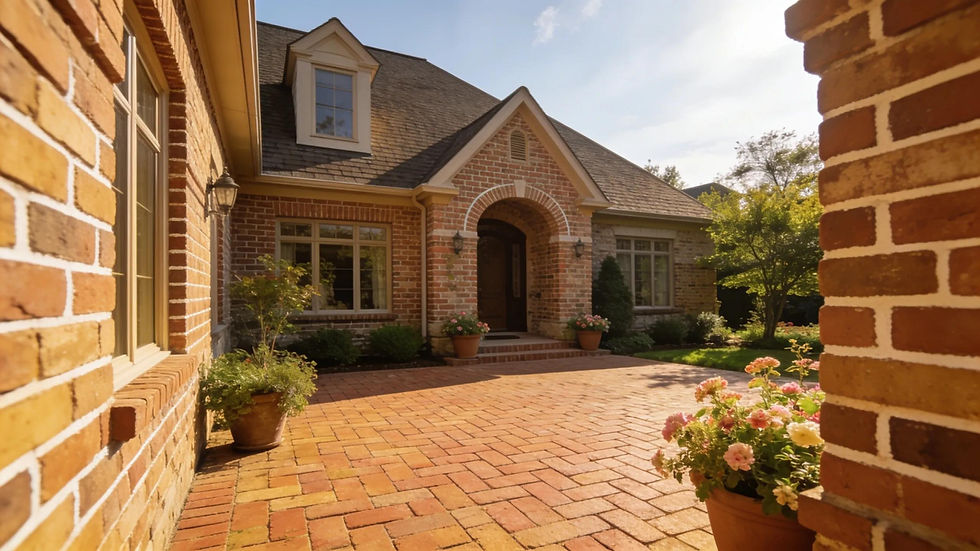
Brick is one of the most popular masonry materials because it offers durability, fire resistance, and classic appearance.
Stone masonry
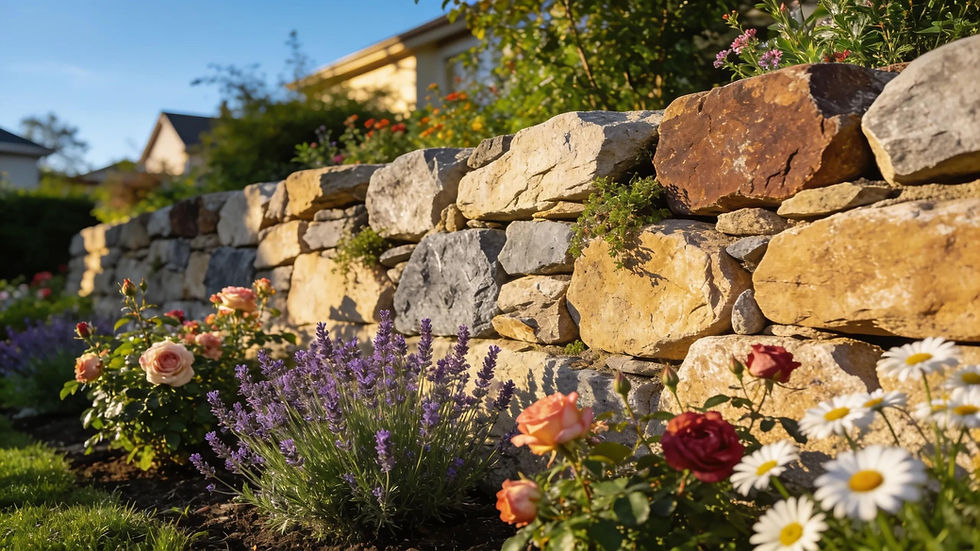
Natural stone provides exceptional strength and aesthetic appeal, often used for decorative walls and landscaping features.
Concrete block masonry
Concrete blocks are widely used for structural walls and foundations due to their strength and cost efficiency.
Concrete masonry
Concrete is commonly used for steps, sidewalks, and foundations because of its durability.
Each type of masonry requires specific installation and repair techniques to maintain long-term performance.
Why Masonry Maintenance Matters
Many homeowners overlook masonry maintenance because the materials appear strong and permanent. However, regular maintenance plays an important role in preserving structural safety and preventing expensive repairs.
Protecting Structural Stability
Masonry structures support significant weight and stress.
Damaged mortar joints or cracked bricks can weaken walls, chimneys, and foundations, increasing the risk of structural issues.
Preventing Water Damage
Moisture is one of the biggest threats to masonry.
Water can seep through small cracks or deteriorating mortar joints, leading to problems such as:
Mold growth
Interior wall damage
Freeze-thaw cracking
Structural weakening
Repairing masonry early helps prevent water from entering the structure.
Maintaining Property Value
Well-maintained masonry improves curb appeal and increases property value.
Cracked or deteriorating masonry can make a home appear neglected and may discourage potential buyers.
Extending the Life of Structures
Routine masonry repairs can significantly extend the lifespan of walls, chimneys, patios, and walkways.
Addressing small issues early prevents them from spreading.
Common Masonry Problems Homeowners Experience
Understanding common masonry problems can help homeowners recognize when repairs are needed.
Cracked Mortar Joints
Mortar is the material that holds bricks and stones together. Over time, it can deteriorate due to weather exposure.
When mortar begins to crumble, the structure becomes vulnerable to water infiltration.
Loose or Missing Bricks
Bricks may become loose if mortar joints fail or if the structure shifts due to foundation movement.
Loose bricks should be repaired promptly to prevent structural instability.
Masonry Cracks
Cracks in brick, stone, or concrete may occur due to temperature changes, settling foundations, or moisture damage.
Small cracks can often be repaired, but larger cracks may require structural evaluation.
Efflorescence
Efflorescence appears as white powdery residue on masonry surfaces. It occurs when water carries salts through masonry materials.
While often cosmetic, it may indicate moisture issues.
Chimney Deterioration
Chimneys are especially vulnerable to weather exposure. Common chimney masonry problems include cracked crowns, damaged bricks, and deteriorating mortar joints.
Expert Tips for Masonry Repair and Installation
Proper masonry maintenance requires both attention and expertise.
Schedule Regular Inspections
Homeowners should inspect masonry structures annually and after severe weather events.
Look for cracks, loose bricks, or deteriorating mortar.
Address Problems Early
Small cracks or damaged mortar joints can often be repaired quickly.
Delaying repairs allows moisture to enter the structure, which can lead to larger issues.
Hire Experienced Masonry Professionals
Professional masonry contractors understand proper installation techniques and materials.
Experienced professionals can determine whether a structure needs simple repairs or full reconstruction.
Use Quality Materials
High-quality bricks, stones, and mortar mixtures help ensure long-lasting masonry structures.
Using inferior materials may lead to premature deterioration.
Consider Waterproofing
Applying masonry sealants can help protect surfaces from moisture penetration and extend the lifespan of the structure.
Step-by-Step Guide to Masonry Repair and Installation
While professional contractors handle most masonry projects, understanding the typical process can help homeowners know what to expect.
Step 1: Inspection and Assessment
A professional mason begins by inspecting the structure to identify damage and determine the best repair method.
Step 2: Removing Damaged Materials
Loose bricks, damaged stones, or deteriorating mortar are carefully removed to prepare the area for repair.
Step 3: Repointing Mortar Joints
Repointing involves replacing old mortar with fresh mortar to restore the strength of the structure.
Step 4: Replacing Bricks or Stones
If bricks or stones are severely damaged, they are replaced with new materials that match the existing structure.
Step 5: Final Finishing and Sealing
Once repairs are complete, the structure may be cleaned and sealed to protect it from moisture and weather exposure.
Frequently Asked Questions
1 How long does masonry repair typically last?
Properly performed masonry repairs can last decades, especially when combined with routine maintenance.
2 Can cracked brick be repaired?
Yes. Minor cracks can often be repaired with mortar filling or brick replacement depending on the severity.
3 What is repointing in masonry?
Repointing is the process of removing damaged mortar joints and replacing them with new mortar to restore structural stability.
4 Is masonry waterproof?
Masonry materials are porous, meaning they can absorb moisture. Waterproof sealants can help protect surfaces from water penetration.
5 How do I know if my masonry needs professional repair?
Signs include cracked mortar, loose bricks, leaning walls, or visible structural damage.
Final Thoughts
Masonry structures provide durability, beauty, and strength to homes and buildings. However, even the strongest materials require occasional maintenance and repair. Understanding the basics of masonry repair and installation helps homeowners recognize early signs of damage and take action before problems worsen.
Regular inspections, prompt repairs, and professional installation techniques can extend the lifespan of masonry walls, chimneys, patios, and foundations.
By investing in proper masonry maintenance today, homeowners can protect their property, preserve its appearance, and ensure long-term structural stability for years to come.

Comments