


How to Fix Loose Siding Fast: Expert Tips for NJ Homeowners

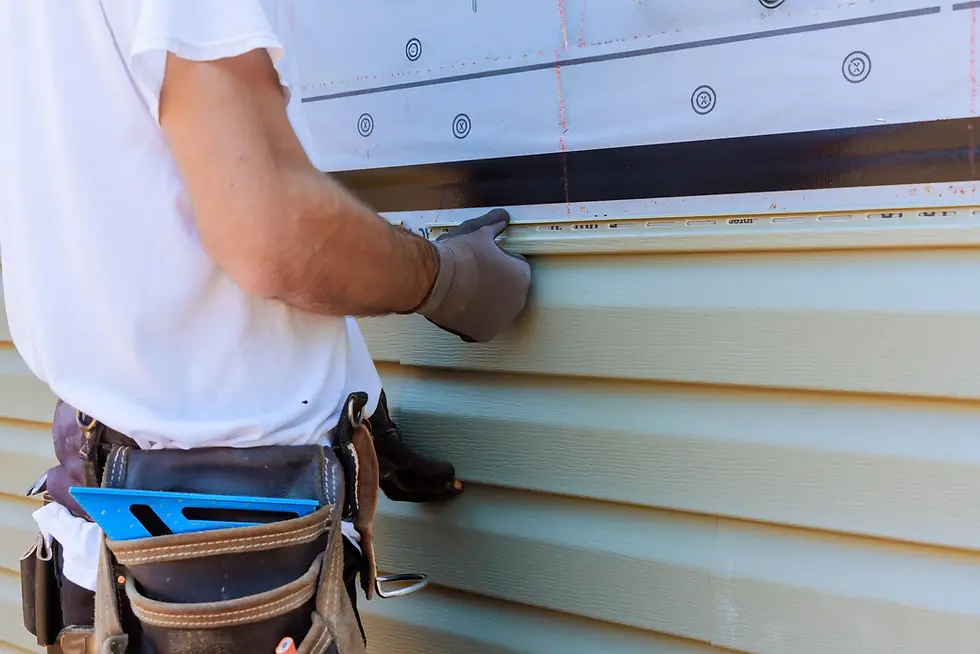
If you are searching for how to fix loose siding, the short answer is: find the loose panel, secure it properly with corrosion-resistant fasteners, leave space for natural expansion, and seal out moisture before it causes further damage. Acting early can prevent water leaks, pest issues, and expensive structural repairs.
Loose siding is more than a visual problem. It weakens your home’s protection against wind, rain, and seasonal temperature changes.
In New Jersey, siding often comes loose after winter freeze-thaw cycles or strong storms, especially on older homes where fasteners were driven too tightly during installation. We see this often on local homes, and small issues can turn into major repairs if ignored.
This guide explains how to fix loose siding the right way, when a quick repair is safe to do yourself, and when it is smarter to call a professional. The goal is simple: to help homeowners protect their homes, avoid repeat problems, and make confident repair decisions.
How to Fix Loose Siding Before It Gets Worse?
Loose siding should be fixed as soon as you notice it. Waiting too long allows water, wind, and pests to slip behind the panels, which can lead to rot, mold, and interior damage. We often see this happen alongside common roof leaks or other exterior failures that start small but spread quickly when ignored.
In New Jersey homes, loose siding frequently appears after winter freeze-thaw cycles or strong winds. These same conditions are also responsible for many common types of roof damage, which is why siding and roofing issues often show up together.
When fasteners are over-driven or materials are not given room to expand, panels loosen and stress builds across the exterior wall system.
Before jumping into a full repair, it helps to understand the basic steps that solve most loose siding issues safely and effectively.
How to Fix Loose Siding Safely and Correctly?
Fixing loose siding is not just about nailing it back in place. The goal is to secure the panel while allowing the material to move naturally with temperature changes. When siding is installed or repaired too tightly, it often loosens again or starts to warp.
Before starting, always work on a dry day and make sure you can safely reach the area. Use a stable ladder, wear gloves, and protect your eyes. If the siding is high up or hard to access, safety should come first.
Step 1: Inspect the Loose Area Closely
Gently pull on the loose panel to see how much movement there is. Check for cracks, warping, rot, or soft spots behind the siding. If the material is damaged or the wall feels soft, the problem may go deeper than a simple fix.
Step 2: Find the Real Cause
Loose siding usually happens because of strong wind, aging fasteners, or improper installation. In New Jersey, repeated freeze-thaw cycles often push siding outward over time. If you only refasten the panel without fixing the cause, the issue will return.
Step 3: Refasten the Siding Properly
Use corrosion-resistant nails or siding screws designed for exterior use. Place fasteners in the correct nailing slots and do not drive them tight. Leave a small gap so the siding can expand and contract with temperature changes. This step alone prevents many future problems.
Step 4: Check Alignment and Locking Edges
Make sure the panel locks correctly into the one below it. Misaligned panels can rattle in the wind and slowly work themselves loose again. Use a level to keep lines straight and even.
Step 5: Seal Only Where Needed
Apply exterior-grade sealant around edges, joints, or penetrations where water could enter. Do not seal areas meant for drainage or movement. Trapping moisture behind siding can cause rot and mold.
Step 6: Test the Repair
Once secured, gently press and tap the siding to confirm it is firm but not rigid. The panel should feel secure without being forced into place.
This method helps homeowners fix loose siding in a way that lasts, instead of creating a short-term patch that fails after the next storm.
When You Should Not Fix Loose Siding Yourself
Some loose siding problems look simple on the surface but can hide serious damage underneath.
In these cases, a DIY repair can make the problem worse or even create safety risks. Knowing when to stop and call a professional is part of fixing siding the right way.
You should not attempt to fix loose siding yourself if any of the following apply:
Loose siding across large wall sections: When multiple panels are shifting or pulling away, the issue is often related to installation errors or structural movement, not just one loose fastener.
Signs of water damage behind the siding: Stains, soft wall areas, mold smells, or visible rot mean moisture has already entered the system. Simply reattaching panels will trap water and cause more damage.
Multi-story homes or hard-to-reach areas: Working at height without proper safety equipment increases the risk of falls and injury. Professional crews have the tools and training to handle this safely.
Mold, rot, or pest damage underneath: Termites, carpenter ants, and rot weaken the structure behind the siding. These issues must be treated before siding can be properly secured.
In New Jersey, homes exposed to heavy storms, high winds, and seasonal temperature changes often develop hidden siding damage over time. Professional siding contractors know how to identify these problems early and repair them correctly.
If you are unsure what is causing the siding to loosen, it is better to pause and have the area inspected. Fixing the surface without addressing the root issue usually leads to repeat repairs and higher costs later.
Signs of Loose Siding You Should Never Ignore
Loose siding rarely fixes itself. Small warning signs usually appear before major damage happens. Catching these early makes repairs easier, faster, and far less expensive.
Pay close attention to these common signs:
Siding panels that move or rattle: If panels shift when touched or make noise during wind, the fasteners are no longer holding correctly.
Visible gaps between siding and the wall: Gaps allow water, insects, and cold air to enter behind the siding, which can damage insulation and framing.
Warped, buckled, or uneven panels: This often means the siding was fastened too tightly or has expanded and contracted over time.
Water stains or moisture marks: Discoloration near siding seams, windows, or corners is a sign that water may already be getting behind the panels.
Interior clues near exterior walls: Peeling paint, bubbling drywall, or musty smells inside the home can point to siding problems outside.
In New Jersey homes, these signs often show up after winter weather or strong storms. Ignoring them can turn a small siding fix into a full wall repair.
Tools and Materials Needed to Fix Loose Siding
At NJ Gold Star Construction, we always start siding repairs with the right tools and materials. Using the wrong fasteners or skipping proper prep is one of the main reasons siding comes loose again after a short time.
If you are handling a small repair yourself, here is what is typically needed.
Basic Tools
Hammer or drill with a screwdriver bit
Pry bar or siding removal tool
Level
Utility knife
Measuring tape
Stable ladder or proper access equipment
Fasteners and Repair Materials
Corrosion-resistant siding nails or exterior-grade screws
Matching replacement siding panels if any are damaged
Exterior-grade caulk or sealant
Caulking gun
Touch-up paint or finish for wood siding
Safety Gear
Work gloves
Safety glasses
Non-slip footwear
For New Jersey homes, corrosion-resistant fasteners are especially important. Moisture, humidity, and seasonal temperature changes can quickly weaken standard nails, causing siding to loosen again.
When we provide professional siding installation and repair, our team also checks the structure behind the siding, confirms proper spacing for expansion, and makes sure panels are secured to last through storms and seasonal movement.
This extra step is often what prevents repeat issues that DIY repairs can miss.
Step-by-Step Guide to Fix Loose Siding Fast
When homeowners ask us how to fix loose siding, they usually want a solution that works quickly without causing more problems later.
At NJ Gold Star Construction, we follow a proven process that focuses on safety, proper fastening, and long-term performance, especially for New Jersey homes exposed to wind, rain, and seasonal temperature changes.
Below is a clear step-by-step approach we use for minor siding repairs.
Step 1: Assess the Damage First
Start by checking how much of the siding is loose. Gently move the panel and look for cracks, warping, soft spots, or signs of moisture behind it. If the panel is damaged or the wall feels weak, it may need replacement rather than refastening.
Step 2: Remove or Release the Loose Panel
Use a siding removal tool or pry bar to carefully unlock the loose panel. Take your time to avoid bending or breaking surrounding panels. If a section is rotted or cracked, remove it completely so it does not compromise the repair.
Step 3: Secure the Siding Correctly
Reattach the siding using corrosion-resistant nails or exterior-grade screws. Place fasteners in the proper slots and do not drive them tight. Leaving slight space allows the siding to expand and contract without buckling, which is critical in New Jersey’s changing seasons.
Step 4: Lock Panels Back Into Place
Make sure the repaired panel locks firmly into the one below it. Misaligned panels can rattle in the wind and slowly work loose again. Use a level to keep the siding straight and even.
Step 5: Seal Vulnerable Areas
Apply exterior-grade sealant only where water could enter, such as around edges or penetrations. Avoid sealing drainage areas. Proper sealing protects the home without trapping moisture behind the siding.
Step 6: Final Inspection
Once the repair is complete, gently press on the panel to confirm it is secure but not rigid. The siding should feel stable while still allowing natural movement.
For larger repairs or repeated siding issues, our siding services ensure the entire wall system is inspected and reinforced properly. This prevents small problems from turning into costly structural damage.
DIY vs. Professional Siding Repair in New Jersey
Some loose siding problems are small and can be handled safely by homeowners. Others require trained eyes and proper tools. Knowing the difference helps you avoid repeat repairs and unexpected damage that often overlaps with residential roof repairs and other exterior work.
When a DIY Fix Makes Sense
A do-it-yourself repair may be reasonable if:
Only one or two panels are loose
The siding is easy to reach from the ground or a short ladder
There are no signs of water damage, rot, or pests
The panels are still in good condition
In these cases, following the correct steps for how to fix loose siding can stop the issue before it spreads.
When Professional Repair Is the Better Choice
At NJ Gold Star Construction, we are often called after a DIY repair fails or when hidden damage is discovered. Professional siding repair is the smarter option when:
Multiple panels are loose across a wall
Siding keeps coming loose after repairs
There is moisture, mold, or soft sheathing behind the siding
The home is multi-story or difficult to access
The siding was improperly installed from the start
Our services focus on fixing the root cause, not just the surface problem. We inspect fastening patterns, wall condition, and spacing to make sure the repair lasts through New Jersey storms and seasonal changes.
Tips to Prevent Loose Siding in the Future
Fixing loose siding is important, but preventing it from happening again saves time, money, and stress. Many siding problems we see at NJ Gold Star Construction could have been avoided with simple maintenance and proper installation.
Here are practical tips homeowners can follow to keep siding secure long term:
Inspect siding regularly: Walk around your home at least twice a year and after major storms. Early movement is easier to fix than widespread damage.
Watch fasteners and joints: If you notice nails backing out or gaps forming, address them right away before wind and moisture make the problem worse.
Keep gutters clean and working: Overflowing gutters allow water to run behind siding, which weakens fasteners and causes panels to loosen over time.
Trim trees and shrubs away from siding: Branches rubbing against siding during storms can slowly pull panels loose or cause cracks.
Use quality materials for repairs: Corrosion-resistant fasteners and proper siding components last longer in New Jersey’s climate.
Choose professional installation when needed: Poor installation is one of the top reasons siding fails early.
Preventive care reduces repeat repairs and helps your siding protect your home for years.
Secure Your Siding with Confidence
Loose siding may start as a small issue, but it can quickly lead to water damage, pest problems, and higher repair costs if ignored. Knowing how to fix loose siding early helps protect your home and extend the life of your exterior.
At NJ Gold Star Construction, our team brings hands-on experience, proper materials, and proven methods to every project. We understand how New Jersey weather affects siding, and we focus on repairs that solve the root cause, not just the surface problem.
If you are unsure whether a repair is safe to handle yourself or want a long-lasting solution, our professional siding installation and repair services are here to help.
Do not wait for loose siding to turn into major damage. Contact NJ Gold Star Construction today for a professional siding inspection and reliable repair that keeps your home protected year-round.
Frequently Asked Questions About Fixing Loose Siding
How do I know if loose siding is a serious problem?
If only one panel is slightly loose and there are no signs of water damage, it may be a simple fix. However, if multiple panels are loose, you see gaps, or notice moisture, mold, or soft spots, the issue is more serious and should be inspected by a professional.
Can I fix loose siding myself, or should I call a contractor?
Small, easy-to-reach repairs can sometimes be handled by homeowners. If the siding is on a multi-story home, keeps coming loose, or shows signs of rot or water damage, it is safer and more effective to hire a professional.
What causes siding to keep coming loose?
The most common reasons are improper installation, fasteners driven too tight, aging materials, and New Jersey’s freeze-thaw cycles and strong winds. Fixing only the surface without correcting these issues often leads to repeat problems.
How long does a professional siding repair take?
Most minor siding repairs can be completed in a single visit. Larger repairs or replacements may take longer depending on the extent of the damage and the type of siding.
Who should I contact for professional siding repair in New Jersey?
For reliable professional siding installation and repair, homeowners trust NJ Gold Star Construction. Our team inspects the full siding system and delivers repairs designed to last in New Jersey’s climate.


Comments