


Berkeley Township Roofing, Gutter, Chimney, and Masonry Services: What Homeowners Need to Know
- Rex Pisan
- Mar 8
- 4 min read

Updated: May 31

Introduction
A home’s exterior quietly does an enormous amount of work. Your roof shields you from storms, gutters control rainwater, chimneys vent heat safely, and masonry structures provide strength and durability. Most homeowners rarely think about these systems until something goes wrong.
A small roof leak becomes a ceiling stain. A clogged gutter leads to foundation water damage. Cracked masonry allows moisture to creep into walls. Chimney deterioration creates safety risks.
For homeowners in Berkeley Township, New Jersey, these issues are particularly important because coastal weather, humidity, and seasonal storms can put significant stress on roofing and exterior structures.
Understanding how roofing, gutters, chimneys, and masonry systems work together helps homeowners protect their investment and avoid costly repairs.
In this guide, we’ll explore the key components of exterior home maintenance in Berkeley Township, common problems homeowners face, and practical steps to keep your home safe and structurally sound.
Overview of Roofing, Gutters, Chimney, and Masonry Systems
Your home’s exterior is a connected system designed to protect the structure from weather, moisture, and structural stress.
Each component plays a specific role.
Roofing Systems
The roof is the first line of defense against rain, snow, wind, and sun exposure.
Common roofing materials include:
Asphalt shingles
Metal roofing
Architectural shingles
Flat roofing membranes
A well-installed roof directs water away from the structure and protects interior spaces.
Gutter Systems
Gutters collect rainwater from the roof and channel it safely away from the home’s foundation.
A typical gutter system includes:
Gutters
Downspouts
Splash blocks or drainage systems
Without properly functioning gutters, water can accumulate near the foundation and cause structural damage.
Chimney Structures
Chimneys vent smoke and gases safely from fireplaces, furnaces, and heating systems.
A chimney system typically includes:
Chimney cap
Chimney crown
Brick or masonry structure
Flue liner
Routine inspections help ensure safe operation and prevent water infiltration.
Masonry Elements
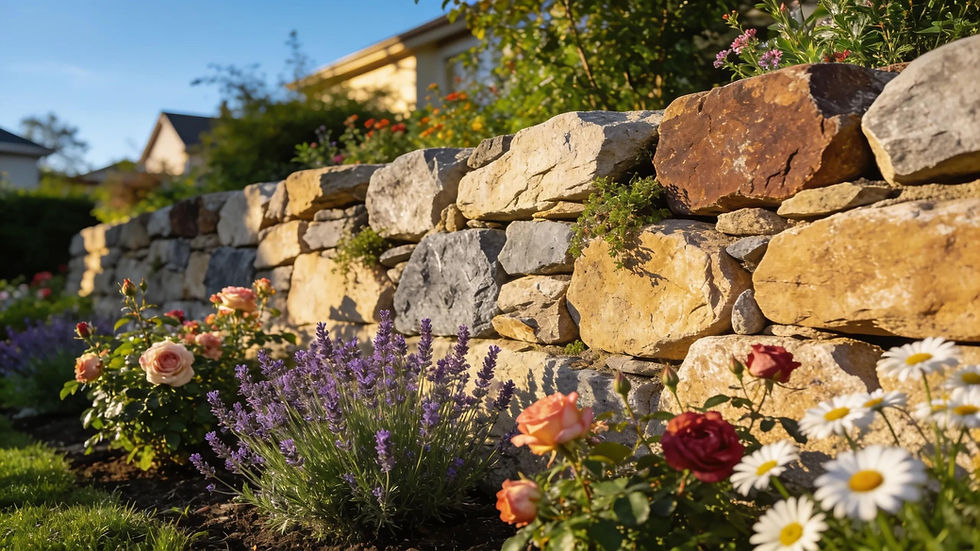
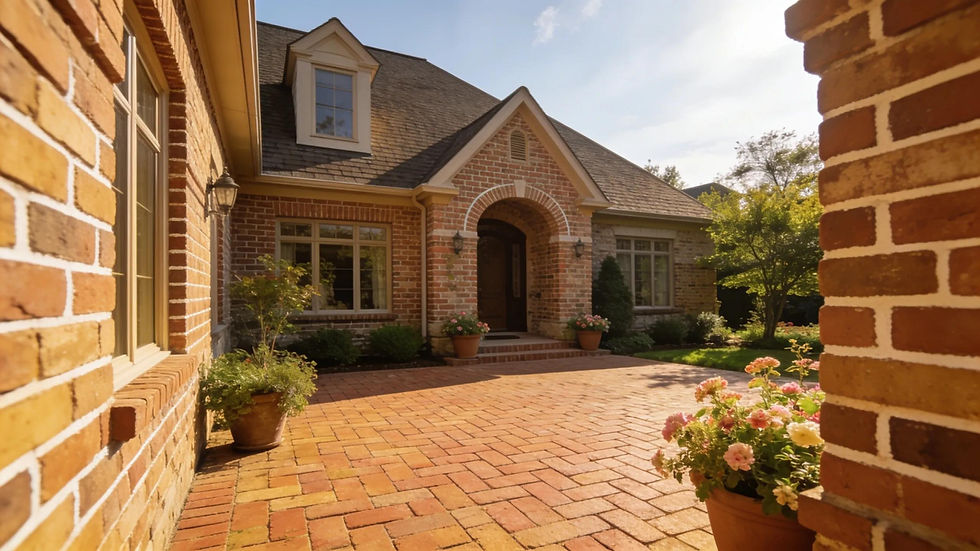
Masonry refers to brick, stone, or concrete structures used in many homes for walls, chimneys, steps, and foundations.
Well-maintained masonry provides strength and durability, but exposure to weather can gradually cause cracks or deterioration.
Why Exterior Home Maintenance Matters
Regular maintenance of roofing, gutters, chimneys, and masonry systems helps prevent structural damage and costly repairs.
Protecting Your Home From Water Damage
Water is one of the most destructive forces affecting homes.
Leaks, clogged gutters, or damaged masonry can allow water to enter walls and ceilings, leading to mold growth and structural issues.
Maintaining Structural Integrity
Roofing and masonry components support the overall structure of the home.
Cracks, loose shingles, or deteriorating mortar joints can weaken the building over time.
Preventing Safety Hazards
Chimney problems can create serious safety risks.
Blocked or damaged chimneys may lead to poor ventilation, which increases the risk of smoke buildup or carbon monoxide exposure.
Preserving Property Value
Exterior maintenance helps maintain curb appeal and protects the long-term value of your property.
Homes with well-maintained roofs and masonry structures are more attractive to buyers and inspectors.
Common Problems Homeowners Experience
Homeowners in Berkeley Township often encounter similar exterior maintenance issues due to weather exposure and aging materials.
Roof Leaks and Shingle Damage
Strong winds, storms, and aging materials can cause shingles to loosen or crack.
Signs of roof problems include:
Water stains on ceilings
Missing shingles
Sagging roof sections
Granules in gutters
Clogged or Damaged Gutters
Leaves, debris, and dirt can clog gutters and prevent proper drainage.
Common gutter problems include:
Overflowing water during storms
Sagging gutter sections
Downspout blockages
Chimney Cracks and Water Infiltration
Chimneys are exposed to constant weather conditions.
Over time, brick and mortar joints may develop cracks that allow water to enter the structure.
Masonry Deterioration
Brick and stone structures can deteriorate due to freeze-thaw cycles and moisture penetration.
Signs of masonry damage include:
Crumbling mortar
Loose bricks
Visible cracks in walls or steps
Expert Tips for Maintaining Roofing, Gutters, Chimneys, and Masonry
Preventive maintenance is the best way to avoid major repair costs.
Schedule Annual Roof Inspections
Professional roof inspections help identify small issues before they become serious problems.
Experts often recommend inspecting roofs after severe storms.
Clean Gutters Regularly
Gutters should be cleaned at least twice per year, especially during the fall when leaves accumulate.
Regular cleaning helps ensure proper water drainage.
Install Chimney Caps
A chimney cap prevents rain, debris, and animals from entering the chimney while allowing smoke to vent safely.
Repair Masonry Early
Small cracks in brick or mortar can quickly expand if left untreated.
Repointing mortar joints early can extend the life of masonry structures.
Hire Experienced Contractors
Working with qualified roofing and masonry professionals ensures repairs are completed safely and correctly.
Experienced contractors understand local weather conditions and building codes.
Step-by-Step Guide to Protecting Your Home’s Exterior
Homeowners can follow a simple routine to maintain roofing, gutters, chimneys, and masonry systems.
Step 1: Conduct Seasonal Inspections
Check the roof, gutters, and masonry structures at least twice per year and after major storms.
Step 2: Clear Debris From Gutters
Remove leaves, dirt, and debris that can block drainage.
Step 3: Check Chimney Condition
Look for visible cracks, loose bricks, or damaged chimney caps.
Step 4: Address Small Repairs Quickly
Minor issues such as loose shingles or cracked mortar should be repaired promptly.
Step 5: Schedule Professional Maintenance
Professional inspections help detect hidden problems and ensure repairs meet building standards.
Frequently Asked Questions
1 How often should a roof be inspected?
Experts recommend inspecting roofs at least once per year and after severe storms.
2 Why are gutters important for home protection?
Gutters direct rainwater away from the foundation, preventing erosion, flooding, and structural damage.
3 What causes chimney masonry to crack?
Weather exposure, moisture infiltration, and temperature changes can cause masonry expansion and contraction.
4 Can damaged masonry be repaired?
Yes. Masonry repairs often involve repointing mortar joints, replacing bricks, or sealing cracks.
5 How long does a typical roof last?
The lifespan of a roof depends on materials and maintenance. Asphalt shingle roofs often last 20 to 30 years.
Final Thoughts
Roofing, gutters, chimneys, and masonry systems play a crucial role in protecting homes in Berkeley Township, New Jersey from weather and structural damage.
Regular inspections, timely repairs, and professional maintenance help ensure these components continue functioning effectively.
By understanding how these systems work together and addressing issues early, homeowners can protect their property, improve safety, and extend the lifespan of their home’s exterior.
Taking a proactive approach to roofing and masonry maintenance today can prevent costly repairs and preserve the long-term value of your home.

Comments